Encouragement and Warnings for Late Medical School Applicants

Two blog posts in two days after two months without a single word?! I know you’re probably confused, so I’ll give you the two-part answer: 1) The deadline for the NIH fellowship application that I’ve been working on all summer is looming quite near now and my brain is becoming fried from scouring over pages and pages of my own academic writing – I NEED to freely write again; and 2) This date holds a special place in my past –

two years ago today I submitted my medical school application! 

I bring this up for two reasons (two must be the number of the day!)

First, I would like to encourage anyone whose medical school application is taking a little longer than planned that it is not too late to still apply this year. While it is ideal to apply in early June when the application system first accepts submissions, plenty of people do not get their application in that early. In fact, while I submitted my application first on this date, I didn’t send it to my actual school where I was accepted until October (though its deadline was in December not October like most schools). Therefore, all hope is not yet lost for this year if you have not submitted.

On the other hand, I would also like to warn you that applying this late does have its risks. I applied to 15 schools in total – ten in July, four in September, and one in October. This put my application toward the bottom of the pile for many schools and they had already accepted quite a few students before even looking at my application. The majority of my secondary applications came while I was also trying to manage school, marching band, research, leading a sorority, and working overnights shifts as a receptionist. Turning around the secondary applications in two weeks (as recommended!) became challenging especially when I received some applications just as my two-week long marching band camp began (let’s just say 12 hours of band each day was not conducive to writing strong secondary responses.)

After completing all of these applications, spending a couple thousand dollars, and receiving quite a few rejection letters, I finally – FINALLY – had one small bit of good luck. I got my first interview invite in mid-November for my undergraduate institution’s MSTP (MD/PhD program). I then interviewed the day after my last final for fall semester (so just before Christmas.) In mid-January, I found out that I did not get in. It was hard to deal with especially knowing that other people had been accepted to school so much earlier. A friend applied to pharmacy school months after I submitted my primary application, interviewed before my first interview, and was accepted soon after that. Many of the twitter #medfam folks had already announced their acceptances as well. I feared checking my e-mail in case I had a rejection letter (and since many MD/PhD programs also consider you for MD alone, you often get TWO rejection letters per school).

Luckily, I then received an interview invite to Illinois in mid-January (they line up the MD/PhD application deadline/interviews with graduate programs, which are much later). I interviewed in early March and received my acceptance in the middle of the month. I made it, but barely.

It’s true that all you need is that one acceptance, but I can’t help thinking back and wondering “What if?” What if I hadn’t found out about Illinois’s MD/PhD program from an e-mail? What if I had ignored said e-mail? If I had followed through with my original schools that I applied to, I would have been re-applying (which I was preparing to do anyway by the time of my acceptance) meaning all of my time and money would have been for nothing.

Looking back, the process would have likely been better had I applied earlier and been smarter about where I applied (but I really wanted to go to places like Yale or UCSF). Instead, I applied to 15 schools, interviewed at two of them, and was only accepted at one. Therefore, I highly suggest that you take a good and hard look at your application and try to figure out if it’s worth applying later into the cycle, and if you’re willing to go ahead with applying, figure out if the schools you’ve picked are reasonable. Otherwise consider waiting until the next year to apply and do it early in the application cycle.

I lucked out. Through my many rejections, I came to find the University of Illinois. While their MD/PhD program is not NIH funded (unlike the MSTPs that I had naively set my aims to), I honestly do not think I could find a more perfect program for me (important to note – the “top” school may not be the best schools for you – know thyself!) Had I applied earlier, perhaps I would have got in somewhere else that processed their applications earlier and not even applied to Illinois. But who knows, maybe I would have loved it there too. Either way, the risk of not getting in was quite real to me and it becomes more real the later you apply.

Good luck to all who are applying!

Nominated for Liebster Award!

I know I said at the end of last semester that I’d be writing more this summer, which has been the truth just not for this blog. I hope you all haven’t forgotten about me in my absence!

Luckily, one of my mutual readers, doctororbust, did not forget and recently nominated me for a Liebster Award! He writes a wonderful blog about the pre-med experience and I can’t wait until his posts about actually being in medical school start up shortly!

What is the Liebster Award might you ask? It is an award given to bloggers by other bloggers with a name coming from the German word for love. It functions sort of like a chain letter except there’s no threat that something terrible would happen to you if you don’t send it on. Rather, it must be sent on for the pleasure of accepting the award and celebrating the work of others (a much better outcome!). It comes with a various versions of rules to accept the award, which the specific rules given to me are as follows:

  1. Thank the nominator and post a link to his/her blog. [See above]
  2. Display the award on your blog. [See the side bar]
  3. Answer the eleven questions provided by the nominator.
  4. Nominate 5-11 blogs that have less than 1,000 followers and let them know they’ve been nominated.
  5. Make up and post eleven questions for your nominees to answer.
  6. Post these rules to your blog. [DONE]

Here are the questions and my answers: 

1. If you could change something about yourself what would it be?

I’m going to have to go with being more willing to ask for help. I tend to prefer to do things myself so that I know it’s done the way I want it done, but that means my workload becomes overwhelming especially when I find it incredibly hard to turn down opportunities. It also means I don’t necessarily get the feedback that I need from my mentors because I don’t ask for it.

2. If you could be fluent in another language, what would it be?

At one point, I was learning German, which I realized during my trip to some German-speaking countries (see my next answer) that my proficiency is quite lacking. I would love to build upon what I currently know. On the other hand, I would like to be fluent in Spanish since it is such a commonly spoken language. In fact, I’m currently working on my medical Spanish skills through Canopy Apps.

3. Have you traveled to another country, if so where, if not where would you go?

After my senior year of high school, my concert band took a 10-day trip to Germany, Austria, and Czech Republic. We toured Salzburg (where the Sound of Music was filmed – LOVE that musical!) and Vienna in Austria. We also went to Mauthausen, a concentration camp, and St. Florian Abbey on our way between those two cities. In Czech Republic, we went to Prague, and in Germany, we went to Rothenberg ob der Tauber, which was a medieval town (complete with a large wall surrounding it for protection). We also performed five concerts along the way! It was a great final memory with many of my high school peers.

That is by no means the end of my travels though because I really want to experience as much of the world as possible. But I don’t have any specific plans for travel as of now (#poorstudent).

My mom wore my grandmother's scarf, so at least a part of her was at my college graduation.
My mom wore my grandmother’s scarf, so at least a part of her was at my college graduation.

4. What was the proudest moment of your life?

This probably was my college graduation. It was the culmination of years and years of hard work and was also the day of reaching a milestone of volunteer hours at the hospital and completing my undergraduate research grant project. Plus, I knew that I would be starting school as a MD/PhD student in the fall, which was a relief and an honor. I was proud to be graduating from the university that I love so much and that by doing so, I was making my loved ones proud (even if just in spirit). While my grandmother did live to know that I got in to my MD/PhD program, my biggest goal was to have her live to see me graduate from college, which unfortunately didn’t happen though I knew she would have been incredibly proud for me at that moment.

 5. If you had a super power, what would it be?

There’s simply too much that I want to do and not enough time or energy to do it all, so my super power would have to be something that would give me more time and energy such as not needing to sleep (definitely a super power).

6. Do you have a talent most people don’t know about?

I am quite good at guitar hero – or at least I used to be (haven’t played in quite some time). It’s one of the few video games that I can beat guys at!

7. What’s the most risk taking thing you’ve done?

Honestly, applying to medical school itself felt like a huge risk. Looking back, it seems like sort of a whim decision. I was trying to decide if I had a chance for that application cycle and ultimately took the “If you never try, you’ll never know” approach even though I knew I risked not getting in, having to figure out what to do with my life from there, and spending a lot of time and money to go through the application process.

8. Why do you write, did you enjoy writing growing up??

I always hated writing. It was more like a chore (since it was always for school!) I can distinctly remember too many times when faced with a piece of writing for class that I simply stared at the flashing cursor in Word for far too long. Times like this were torture. Yet, I have always felt that I could eventually get my voice across in my writing and received compliments from my teachers, which encouraged me to at least try to find enjoyment in writing.

Somehow around the time of applying to medical school, my view of writing shifted. I became more comfortable with writing and more efficient at putting my ideas into words. Making my blog was immensely helpful for giving me practice (even though I figured no one would read it!) I took a course on scientific writing for popular audiences since one of my purposes of writing is to share information with people in general rather than just in academia, and it provided me with practice and insight to make me a better writer. I then started writing for Almost Docs and later DocCheck in addition to this blog, so now I write for them, I write to provide advice for students on my blog, and I write for my satisfaction of getting my ideas and experiences online and available for others to access.

 9. If you could keep to your future, by passing all of the hard work to get to your goal, would you?

ABSOLUTELY NOT!!! I am having way too much of a good time with the process – the days are long and challenging, but I would not have it any other way. Goals are also dynamic, so my goal now may not be my same goal when I’m done with things (if I could ever be done with things), and I want my life to be shaped by my hard work so that it has the best outcome and story that it can.

10. Can you tolerate spicy food?

I always try to tolerate it, but I’m not usually that successful. For example, I used to have a goal of completing the Buffalo Wild Wings Blazin’ Challenge, but that has long since ended because I know that I can’t handle that much spice (and I remember my guy friends in high school bawling their eyes out during it – no thanks). I prefer a medium level of spicy food.

11. Are you a morning or night person?

I would love to be a morning person, but alas, no such luck. Instead, I am a professional snooze-button pusher. I am very much a night owl though!

And now for my nominees… [drum roll]

  1. Journalist Doing Science
  2. Gay MD In Training
  3. Pretty Strong Med
  4. CheerfulHeartGoodMedicine
  5. MD after PhD

My Questions for Them

  1. Who has been the most influential person in your life?
  2. If you could accomplish anything that you set your heart to, what would you do (not necessarily a job, just anything)?
  3. Why did you decide to start a blog?
  4. What is one skill that you wish you had?
  5. What do you think is the most important issue that the world needs to address?
  6. Do you have siblings? If so, what is your relationship with them like?
  7. What do you like to do in your free time?
  8. Can you keep a secret?
  9. What is your favorite thing about yourself?
  10. If you could live anywhere in the world, where would you live?
  11. What is your favorite genre of music and/or artists?

Again, thank you doctororbust for the honor! I am grateful and look forward to the responses from my nominees. 🙂

I went to Washington, DC, and all I got was this…

…amazing opportunity to represent my state and medical students to speak with staff of various members of congress and advocate for healthcare policy.

2014-05-22 09.51.47

While the idea of advocating for change in policy that could affect more people than I ever could one-on-one has fascinated me, I never thought I would actually be able to do anything about it. I figured that by going into research and medicine I would have enough on my plate and I would leave this kind of thing for people who are more well versed in political science.

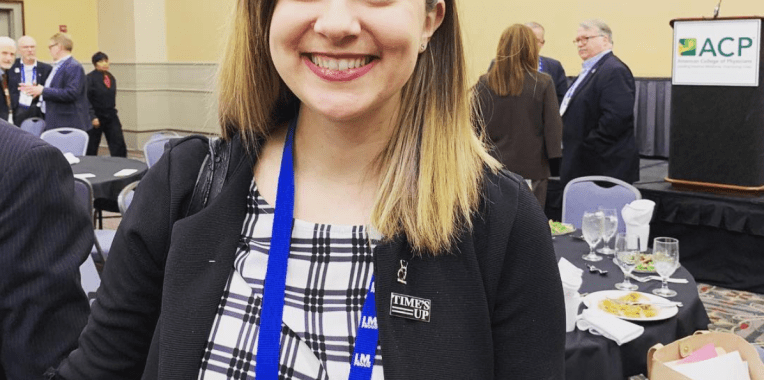
Then this year I found out about an opportunity with the American College of Physicians, a 137,000-member-strong organization of internists, internal medicine subspecialtists, residents, and medical students interested in internal medicine as a specialty (which I am because it will lead me to a fellowship in oncology and because I am simply drawn to internal medicine.) This opportunity would help finance a trip to Washington, DC so that I could participate in the College’s annual Leadership Day. I applied for the opportunity and luckily, my state’s chapter was so kind as to offer some funding to help make this possible.

This year’s Leadership Day was this past Wednesday. It started with just medical students and residents seated by state so that we could be briefed on the issues and given a little bit more information about how to advocate for our top priority issues.

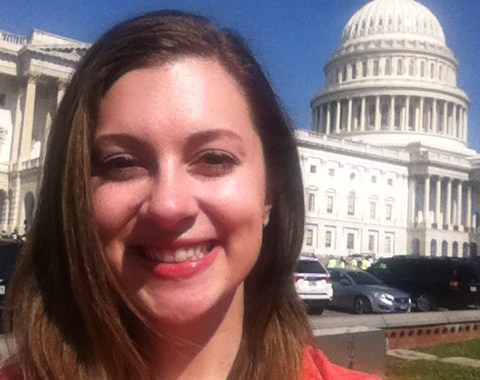
But first, each state had to take a selfie.

2014-05-21 14.34.02

There was an emphasis on using social media, which I was glad to see, and it started by having this picture posted on Twitter. Perhaps if you follow me on Twitter, you noticed me saying a lot of things with the hashtag #ACPLD, which stood for American College of Physicians Leadership Day that we used to track the experience.

We then were joined by our more experienced counterparts as we delved a little deeper into how to speak about these issues as we critiqued and learned from the communication style of some examples of how a conversation with a staff member may go. We listened to a talk titled: “To Boldly Go: How Will Congress Influence the Trek to Health Care Reform? And How Can You Help Chart the Course?” that was chocked full of Star Trek references (winning) and, of course, inspiration. After some more panels and presentations, we were done for the day and we were able to meet as a chapter to discuss the next day’s events, the medical students/residents were able to attend our own reception, and the Downstate Illinois chapter representatives went out to dinner.

Thursday was then to take what we learned the previous day and put it into action. Each group had meetings lined up with various members of congress from their state (or more likely staff for those representatives). We split up our priority issues so that the medical students really focused on Graduate Medical Education (GME) since that is the most immediate issue we face. Other issues of interest were getting rid of the Sustained Growth Rate (SGR), continuing the Medicaid Pay Comparability program past the end of the year, and enacting medical liability reform through a bipartisan bill proposed by both a lawyer and a doctor, the Saving Lives, Saving Costs Act that would crease a “Safe Harbor” protection for physicians who document adherence to clinical practice guidelines. I won’t get into these issues now, but look forward to some thrilling articles about them in the future!

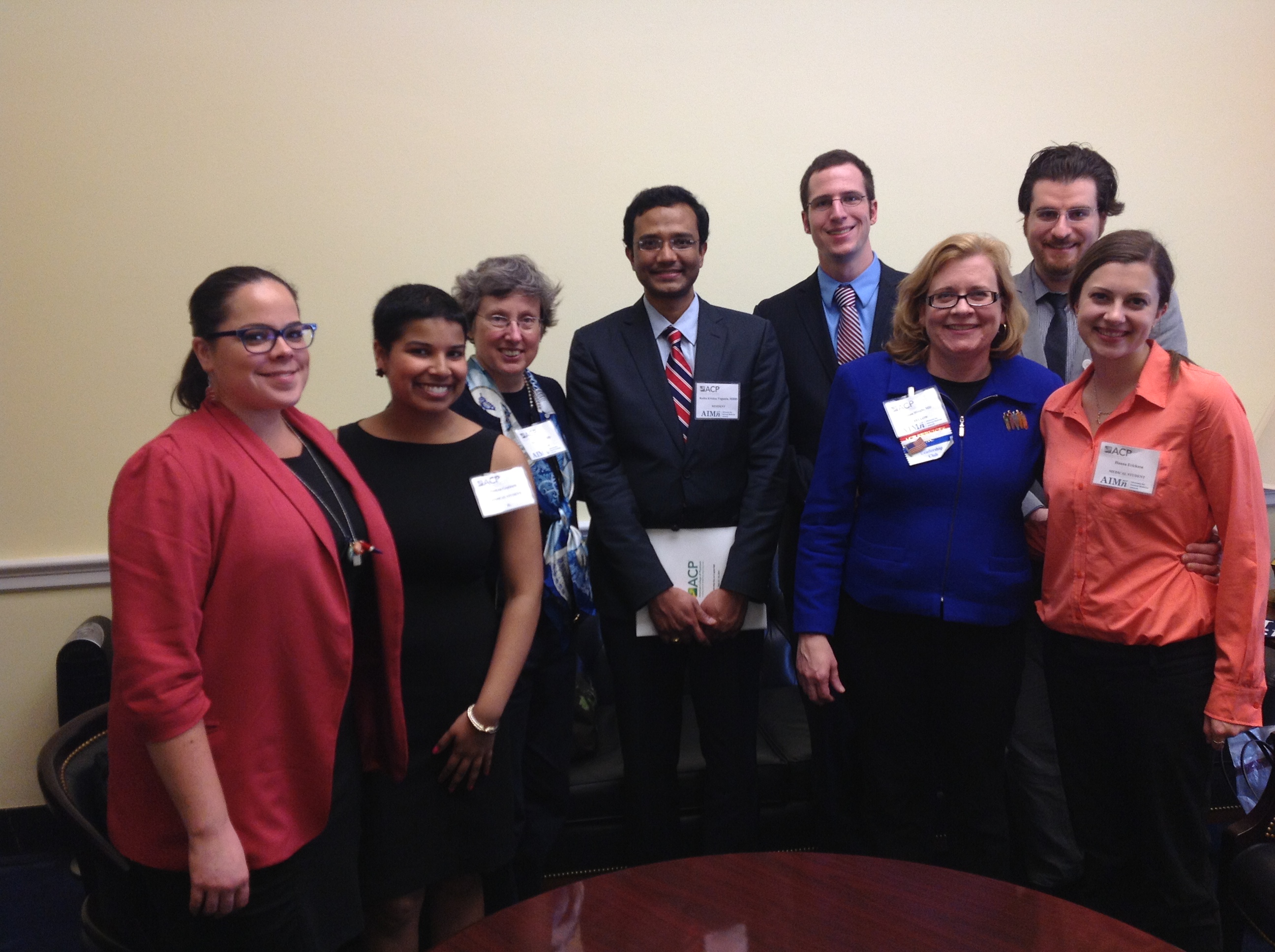
ACP 2

Throughout the day, my group of ACP representatives met with staff from the offices of one senator and seven representatives both Democrat and Republican who represented constituents of downstate (southern) Illinois. I was apprehensive at first to give my spiel about GME as many of us other first-timers were, but throughout the day our whole group became much more comfortable with talking to these Congressional staff members.

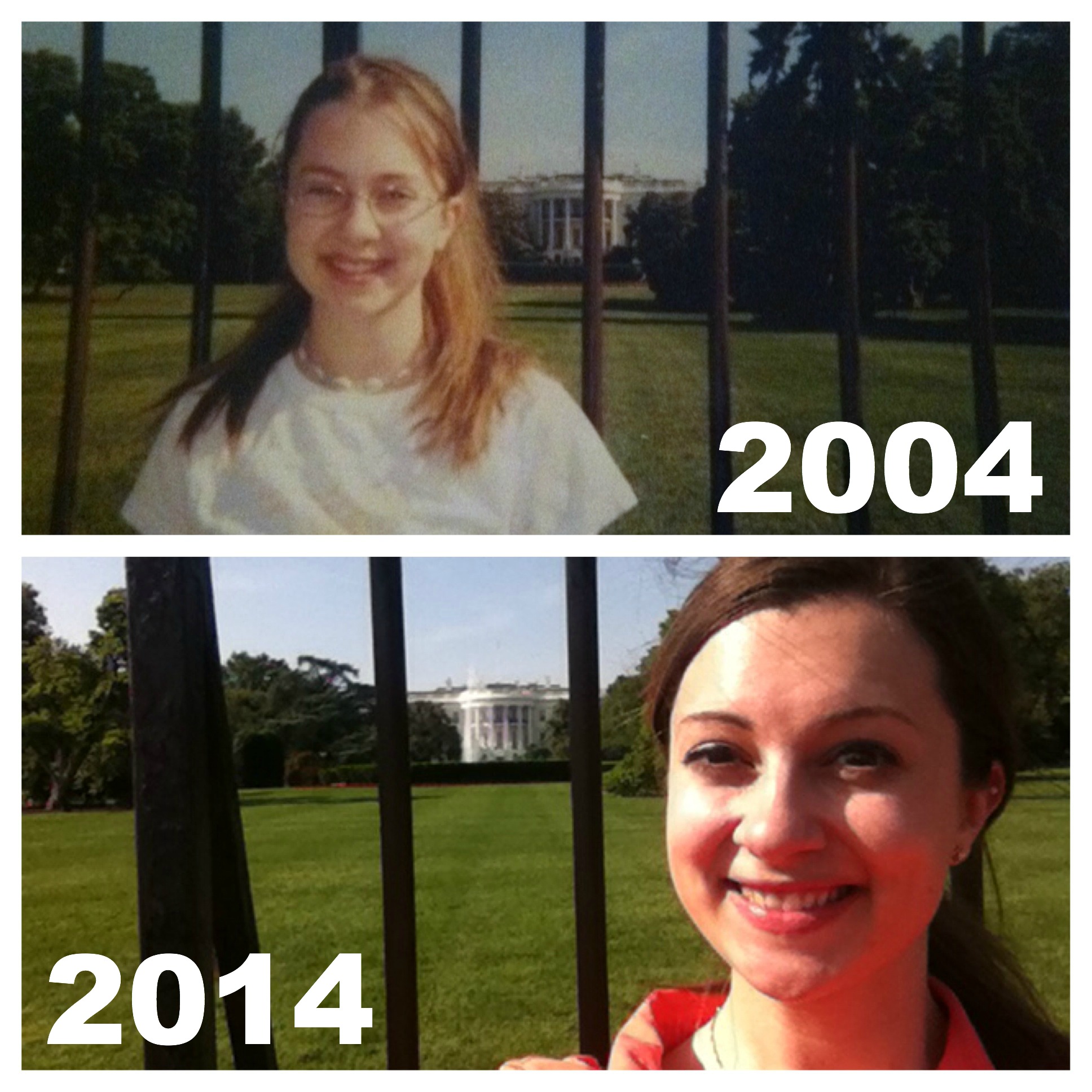
After all of our meetings, we went our separate ways with most leaving that night for home. Since my flight wasn’t until the morning, I took the time to walk around the city and see some of the sites that I had seen almost exactly 10 years before on my first trip to Washington, DC including the White House as you can see below. While a brief trip, it was a great opportunity and I look forward to having more opportunities to advocate for healthcare in the future!

White House

For more about my experiences with ACP Advocacy, see:

Fitting in a week in DC (May 2, 2016)

What it’s like to advocate for healthcare (April 29, 2019)

If you want to see how I wrote about my ACP advocacy in my residency personal statement, see:

Residency Personal Statement (June 21, 2022)

It’s been a while

Did you miss me?

While you may follow me on twitter and see my day to day ramblings, it’s been quite some time since I’ve done a real update here on my beloved blog.

This post is to tell you why.

I last posted about my experience with school at the end of fall semester. Then a few things happened. And suddenly, spring semester is almost gone! What’s really helped time fly is that I’ve lived up to motto quite well this semester: Do All The Things Here’s the jist of what my semester has been like:

Medical School Classes

Our program has us take our M1 courses spread out during our PhD, so I got a start on mine by taking immunology and brain, behavior, and human development. I had to race back from Minnesota soon after new years to beat the oncoming winter storm and be back on time to start medical school courses on January 6 – two weeks before the rest of the university’s courses started. While the immunology class ended at the beginning of March, the brain, behavior, and human development course goes until mid May.

Graduate School Classes

My program has additional graduate school course requirements, so I took the undergraduate/graduate immunology course as well as a tumor targeting journal club this semester. I *may* get to TA the immunology course at some point so that was another reason to take the second immuno. The journal club is a more chill class requiring a single presentation on a paper each semester as we all take turns presenting. It’s also a multidisciplinary group of graduate and undergraduate students which means we learn about targeting tumor therapy from a variety of perspectives!

Seminars/Symposiums/Meetings

I think I have a problem because I love seminars. Like I go to all of them. Not just for my own department (physiology) but many others like the microbiology, cell and developmental biology, and biochemistry departments (and sometimes neuroscience/others). My department began the semester with job candidate talks twice a week and has at least relaxed to just one seminar per week now. I’ve also spent a day at the College of Medicine’s Annual Research Symposium and will be enjoying the weekend at the American Physician Scientist’s Association Annual Meeting in Chicago, IL.

Being a Teaching Assistant

I got to stand on the other side of the classroom for the first time as I had my own section of introduction to microbiology lab for non-majors. While the concepts weren’t necessarily hard, figuring out how to teach them to people who weren’t science majors and getting them interested in it was the real challenge. Overall, it’s been a wonderful experience – my students are great and helping others learn feels great. There’s just a few more classes before the end of the semester, and I just *might* miss it this summer (though I’ll enjoy more time for other things!)

Clinical Practice Preceptorship

I may not be doing my clinical years for quite some time, but I did get to spend a little time in the clinic this year. We have a program that matches up M1s with physicians to shadow and really learn about patient care. I opted to do this so soon since I had never actually shadowed a physician before, it helped balance out my other basic science endeavors, and I hoped to make a lasting connection with a physician mentor. As an aspiring academic medical oncologist, I lucked out and was placed with a medical oncologist who also happened to be director of cancer research at the local hospital. While I only shadowed a few times, it was a great experience to have early on.

Writing

While I wasn’t writing for here as much, I was still writing. Most of my attention has been on writing articles for The Almost Doctor’s Channel, though I’ve also started writing for Doc Check and contributed to Lean On‘s blog.

Oh, and research

Wait, is that why I’m in grad school? I really started work on my project this semester after doing A LOT of reading and planning this fall to start to develop my own project. After working with primary mouse cells for a while, I got the dendritic cell line that the lab had been trying to get for quite some time, which was infinitely better (until recently when they just decided to stop growing). I managed to get enough data to make a poster for the College of Medicine’s Annual Research Symposium and I’m looking forward to being able to devote much more time to it once the semester is over.

~

And that’s spring semester in a nutshell! I’m hoping to write more about some of these experiences more in depth when I get the time. As always, if you have any questions or want me to address anything specific on here, feel free to shoot me an e-mail at mdphdtobe@gmail.com and I will do my best to respond in a timely manner.

~

Featured photo source: “Time” by JD | Flickr | CC BY 2.0

Spring “Break”

Spring Break 2014 has just come and passed. While this is a time for most undergrads to get away from campus, it’s a time for grad students like me to stick around and get work done. This is what it looks like.

~

DOUBLE FISTING

Photo on 2014-03-25 at 09.28 #2

No, not drinks.

~

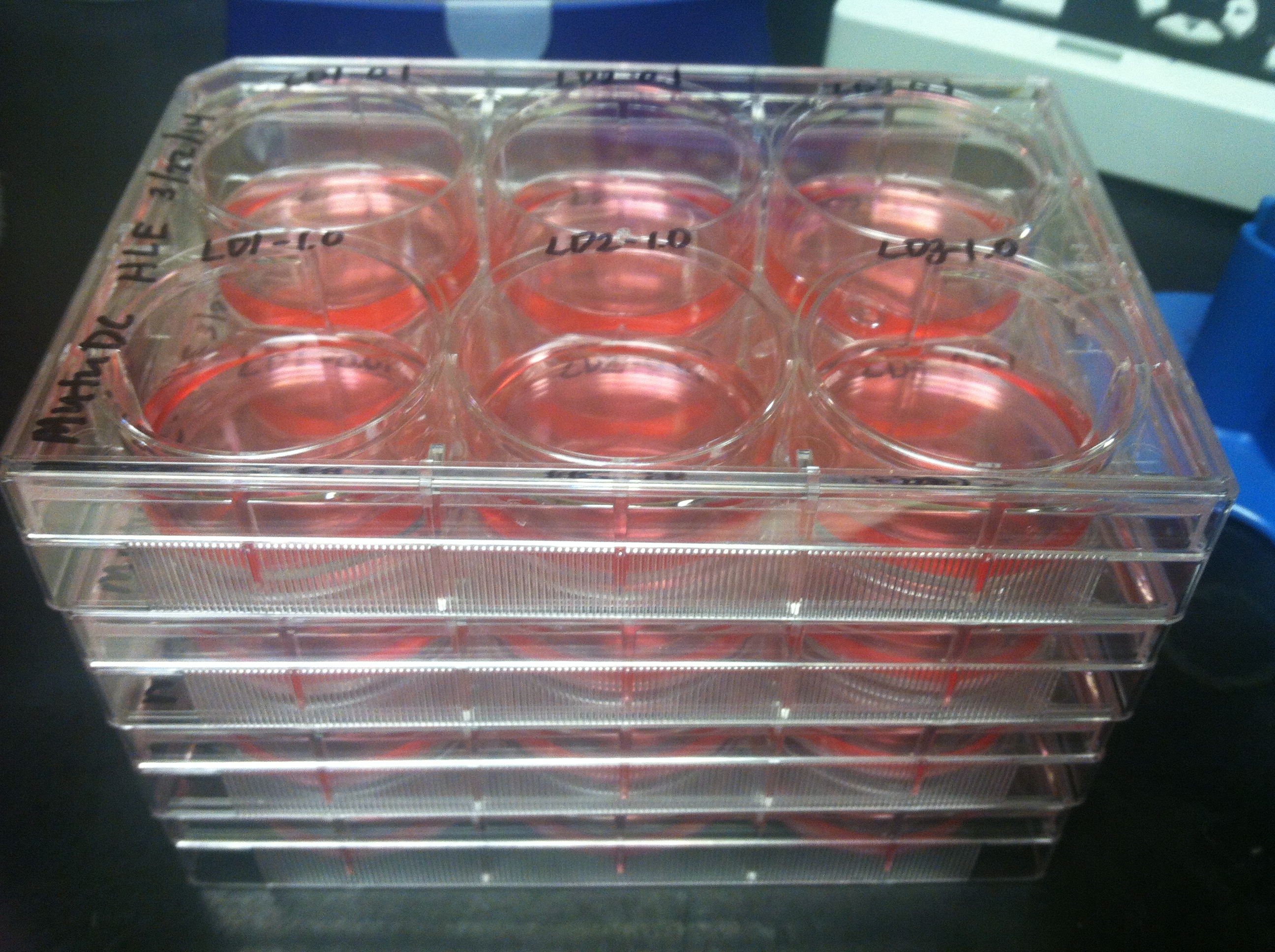
LEARNING ABOUT [FOREIGN] CULTURES

2014-03-22 11.34.11

Cultures of cells…

~

PARTYING* IN THE HOOD**

2014-03-22 10.18.50

*Working

**The tissue culture hood

~

MIXING IT UP

2014-03-22 10.28.28

Work that vortex

~

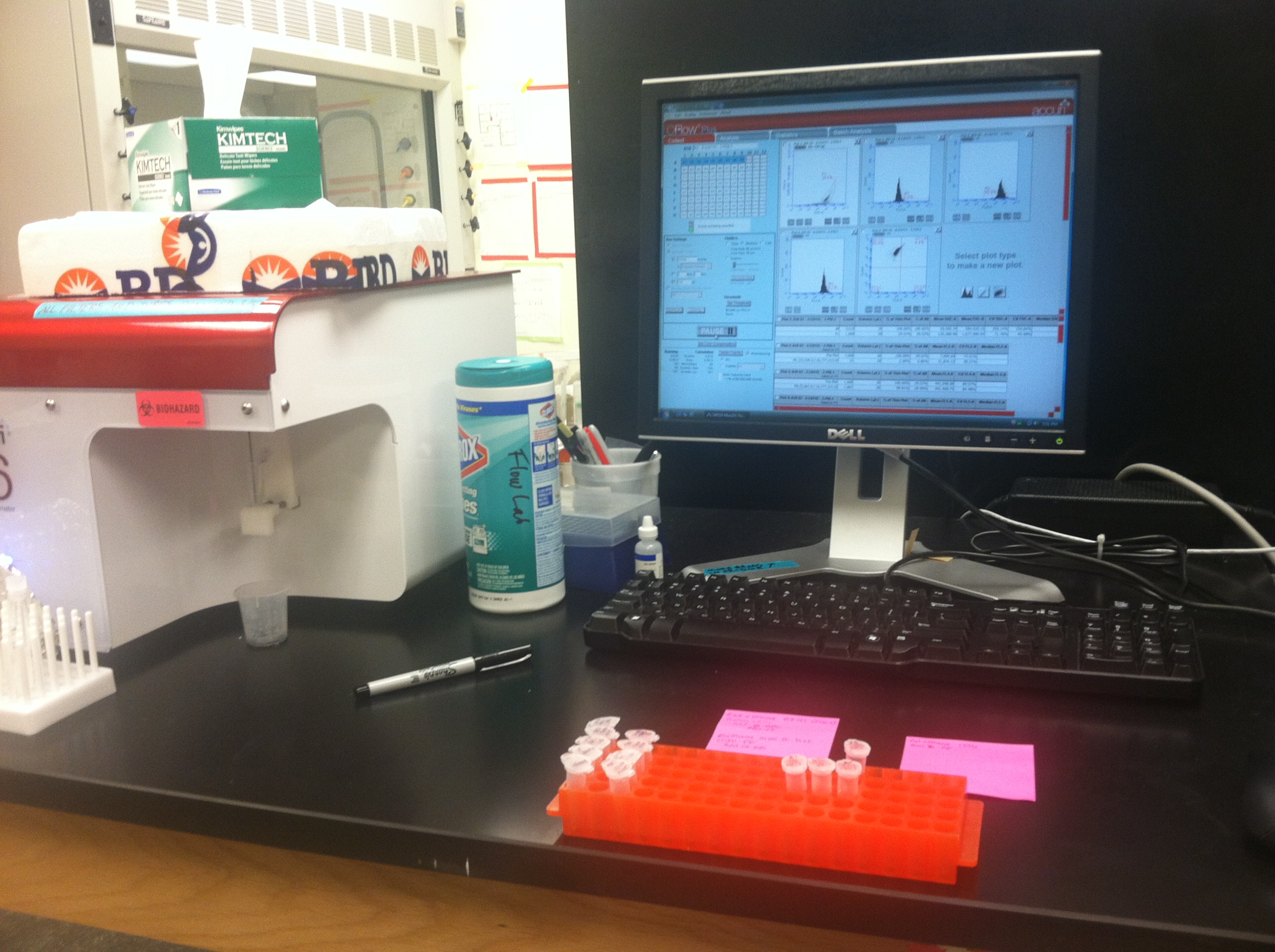
ENJOYING THE FLOW

2014-03-24 17.51.00

Flow cytometry, that is.

~

ENHANCING MY HIGHLIGHTS

2014-03-25 21.36.51

Not in my hair, on my notes.

~

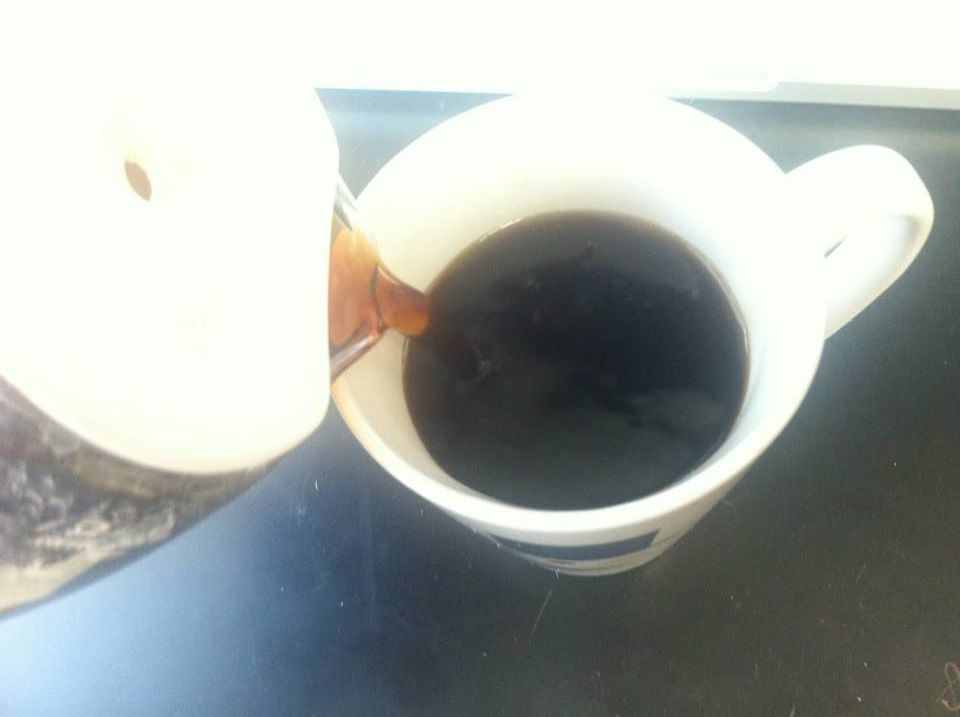
CONSUMING DRUG OF CHOICE

coffee

MOAR COFFEE

~

USING ALCOHOL

2014-03-24 19.22.35

Don’t drink this stuff.

~

TRYING TO FIGURE OUT WHAT’S GOING ON

2014-04-01 21.33.44

So much data. What does it mean???

~

Wow! What a week!!! 😉

2014-03-23 13.23.22Eternally waiting for the centrifuge…

The wolves that got me writing

When I began thinking about writing, I had a dream that I could someday reach out to the world and educate them with my writing. I wanted to be like Siddhartha Mukherjee, the author of one of my favorite books, The Emperor of All Maladies: A Biography of Cancer, who is both an oncologist and an award-winning science writer.

Alas, the task to reach out to others, create an entertaining, informative, and educating piece of work seemed to me to be a formidable task. But then again, the science writers I looked up to wrote entire books – books that took years and years for them to write. Clearly, my goals were set high. I took a step back, breathed, and realized I had to start somewhere smaller, so I signed up for a class called “Writing on Issues of Science and Technology.”

The description of this class said the instructors would choose topics that can include:

  • DNA and the Human Genome (Good start!)
  • Animal/Human Cloning and Stem-Cell Research (Right up my alley)
  • Vaccines from Smallpox to AID (Could there be a better fit?)
  • Global Warming (Not my area of focus, but I still find it interesting)
  • Alternative Energies (I could probably deal)
  • Animal/Human Interaction (Not as much my thing)
  • Why Civilizations Collapse (I don’t even know…)

I took my chances. About half of the topics were exactly what I’d hope to write on (those most related to medical sciences) and half were not. Turns out, my professor picked exactly what I didn’t want to write about. When I looked at the book list for the course, half of them were about studying wolves in nature and the other half gorillas. Not only were we not focusing on topics I wanted to write about, we were barely even writing. Instead, we were reading science writing books. Nonetheless, I bought the books and started going to the classes.

My professor was a cute old woman with a soft voice and long graying hair who loved to get side tracked and tell us stories about her day. At first, I was frustrated with her taking away discussion time, but I grew to love her stories. In one of these stories, prior to beginning discussion on the first book we were reading, she mentioned she was teaching another class, “Science Writing for Popular Audiences.” BINGO. I found my class.

Though I didn’t have the writing course prerequisite, I explained to her my desire to actually write and my background in science that compelled me to do so. Without hesitation, she let me switch courses. Just a few weeks into the semester, I found myself walking into my first Science Writing for Popular Audiences class and surprise, surprise, our first topic to write about was the wolves of Isle Royale.

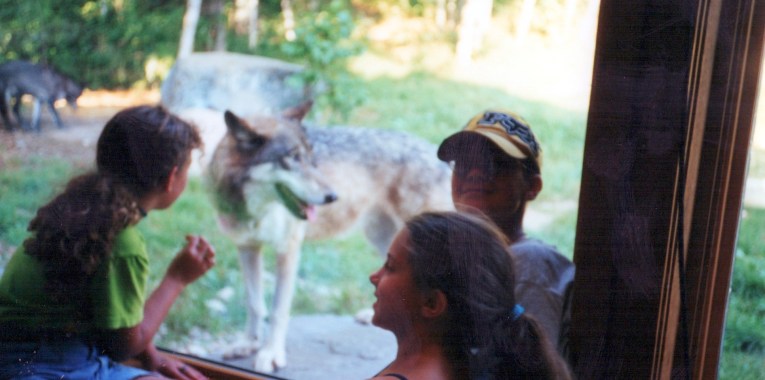
Clearly, this professor had a liking towards wolves.

This time, though, instead of reading about the wolves, I had the chance to write about them. Our prompt was to research the wolves and write an article that would explain to the reader the current dilemma the wolves on this island faces.

Overview_General_IRareamap

If you don’t know, Isle Royale is a small island in Lake Superior, just 20 miles from the mainland. It is inhabited with moose, loaded with fir trees, and in 1949, two grey wolves crossed an ice bridge from the mainland and started a wolf population on the island. It is also home to the longest running closed system predator-prey study. If you’ve ever learned about population dynamics (you may have to think back a ways – I can recall making mathematical equations to represent it in my high school math classes), the data for the basis for understanding the fluctuation of predator and prey likely came from this island.

Over the more than 50 years of this study, the wolf population has fluctuated along with the moose, reaching a maximum of 50 in the late ‘70s. This fluctuation was thrown off soon after that peak as a virus killed of many of the wolves. Ever since, the pattern of rise and fall no longer fit our expectation from the first half of the study and today, the wolf population is the lowest since the study began.

What seemed like a simple task – write about the wolf population – was much more difficult than I could have ever imagined. I had so much that I wanted to write about this island, rich in history, and the shrinking wolf population that there was no way I could fit it all into 750 words.

My first edition of my paper, to say the least, was atrocious. Used to writing reports and simply telling like it is, I was not the greatest at turning information into a story. Luckily, my professor gave me a second shot.

I took a step back and looked at my paper, cutting nearly all of it. No, I didn’t need to spend half of it talking about the history of the study, the fluctuation of the wolves; I needed to talk about here and now. I also decided to take a different angle, to give an overall story of the situation the wolves are facing, not the issue the researchers are facing looking at the wolves. After much rewriting, I ultimately came up with a piece I was proud to call mine, Isle Royale’s Drama of Survival.

Most importantly, during this process, I went from hating that I had to write about wolves, to loving these wolves.

Living close to Lake Superior, I wanted to take a trip to the National Park on the island to see where the wolves live. I obsessively kept track of the researcher’s blog as they did their winter survey. I was scared every time I checked it to see if Isabelle, a lone wolf on the island and one of the only remaining females, had been killed by the pack that was pursuing her. When the study of 2013 was done and updates were no longer given, I continued to think of Isabelle.

Isabelle cornered following an attack.

I was excited to hear that she was seen again on the island this winter. The researchers last saw her on January 21st, heading toward her assailants. There have been a few ice bridges formed to the mainland this year, the kind of bridges that brought wolves to the island, but that can also let them leave. The researchers believe she left the island via ice bridge that night.

She made it… her carcass was found on the mainland on February 8.

Today, I mourn the loss of Isabelle but also have hope for the island. Three pups were born this year, the first pups for some time. Yet, the issue of inbreeding remains and the debate to intervene continues. Nonetheless, I’m glad I stuck with this class despite lack of appeal a wolf study originally had to my medically-oriented self. I learned to become a better writer, wrote my first science writing piece, and I was introduced to these wolves who will always have a special place in my heart.