Gastroenterology fellowship personal statement

I started blogging almost 13 years ago (!!!) to share my MD/PhD application personal statements and begin to help others 1) learn about this pathway (especially if they did not know this pathway even existed like me as an undergrad) and 2) navigate entering and staying in the physician-scientist pathway. I remember how challenging it was to write my personal statements at that time and wanted to share my (now *cringe*) personal statements to help others out.

Fortunately, I again had the opportunity to share a personal statement after successfully applied to internal medicine residency and physician-scientist training programs.

Once again, I have a personal statement to share! After my first year of residency, I applied to gastroenterology fellowship and am about to now complete my first year of fellowship! It has been a wild ride and I am so glad for the path I have taken to get there!


Hanna’s Gastroenterology Personal Statement

My first year of residency has taught me incredibly many things. Including this one irrefutable fact: Patients with cirrhosis are sick. Really truly sick. Among the sickest patients we care for, often needing ICU level care. Residency has also taught me another related fact: Liver transplantation saves lives and changes near death into vitality before our eyes. This was crystalized for me through the case of a young man with primary sclerosing cholangitis/autoimmune hepatitis overlap who had just been transferred to the general medicine floor from the ICU โ€“ skin yellow, belly bloated, mind altered. Despite his initial improvement and despite my best efforts, over the next week his condition worsened. He had already experienced the disappointment of two liver transplant offers falling through earlier in the year. He was high on the transplant list again, but we remained cautiously optimistic. Luckily, this time was in fact the charm, and he went to surgery late on a Saturday night. Two days after surgery, I visited him in the ICU. He looked like a completely different man. We both had tears in our eyes before he could even mutter โ€œthank you.โ€ Being able to care for patients with complex sequelae of liver disease and seeing the impact of getting them to this life-saving treatment motivates me to pursue a career in gastroenterology.

The significance of this moment was heightened by my long-term interest in the liver, which began as a graduate student. I initially pursued a PhD to better understand how normal cells can be transformed into cancer cells, growing independently of the bodyโ€™s eloquent feedback mechanisms. Studying this process in the context of hepatocellular carcinoma, I grew to appreciate that the development of cancer was a late stage of disease, as most cases arise in patients with cirrhosis, which itself is a result of progressive inflammation, metabolic changes, and fibrosis that occur over decades. As the liver is a source of many diseases, I became interested in understanding common pathways that could contribute to the progression of liver disease and therefore be potential therapeutic targets, ultimately reducing the need for liver transplantation, an opportunity available for so few. This led me to study a scaffolding protein that is regulated by bile acids, which accumulate in many liver diseases and function as signaling molecules in addition to their role in fat absorption. During my PhD, I showed that upregulation of this protein could be protective in the context of metabolic and cholestatic liver injury but at the same time promoted the growth of hepatocellular carcinoma. I was awarded a NIH NRSA F30 Individual Predoctoral MD/PhD Degree Fellowship from the National Cancer Institute to support this work, which has resulted in 2 first/co-first author publications. There is still so much to learn about how these adaptive and maladaptive pathways interplay in the progression of liver disease, and I am excited to continue to explore these questions throughout my career.

My goal is to become an academic physician-scientist who specializes in the care of patients with liver disease and with a research focus on the metabolic pathways that contribute to the pathophysiology of liver disease. I want to address the gaps in these areas from both the bench and the bedside by leading an active research laboratory, caring for patients, and using my expertise to impact others through advocacy, education, and outreach. I am looking for a gastroenterology fellowship program that can be a home for my next phase of training by providing intensive clinical training while also fostering my development as a physician-scientist. [Institution] would be an excellent home for my training, with local researchers including [researcher #1], [researcher #2], and [researcher #3].


This last sentence is perhaps one of the most important (and sometimes most difficult) parts.

Why is it important? 1) It shows the program that I am interested enough in their program to have done the research about their program to have identified potential research mentors. 2) It shows how the program is a good fit for me because they have people doing research in topics that I would want to work on, so that they can realistically help me achieve my career goals in the way that I want to achieve them – you need to be a good fit for them but they also need to be a good fit for you.

Why is it difficult? You may not know what you want to do! It’s hard to have a perfect vision of your future and its scary to commit! Don’t worry, you always have the chance to change your mind, but I think having a specific vision (if you’re able to articulate it) truly makes a personal statement impactful. Even though I had just applied to residency 2 years prior and my future goals have not significantly wavered, I still had a period of time while preparing my fellowship application where I was wondering if my purpose was the same and if I was articulating it in the most impactful way. Now I am a year into fellowship and have started my research with a great mentor and am confident that I made the right choice for me.
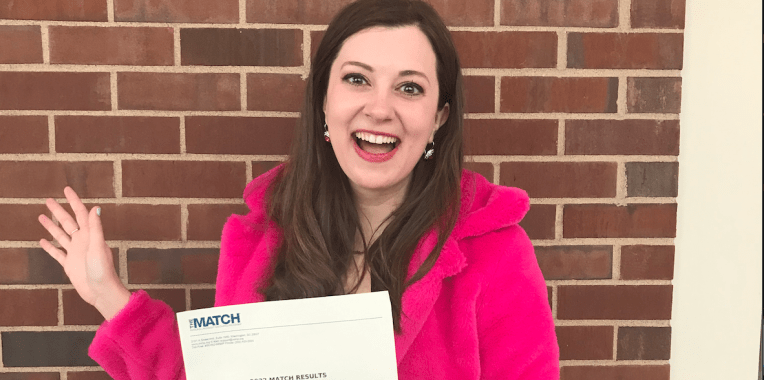
Life update: It’s a big one! (#Match2022)

My journey to MD/PhD is nearly at its end.

In this final year, I applied to residency and on March 18th, 2022, I found out where the next stage of my journey will be.

But first, on March 10th, 2022, I had my last day of medical school clerkships, as I finished a 2-week rotation in dermatology.

๐ŸŽต It was an itsy bitsy teenie weenie short white coat – not a bikini / that she wore for the LAST time today. ๐ŸŽต
Iโ€™m done with my last med school rotation!!! Source: @MDPhDToBe

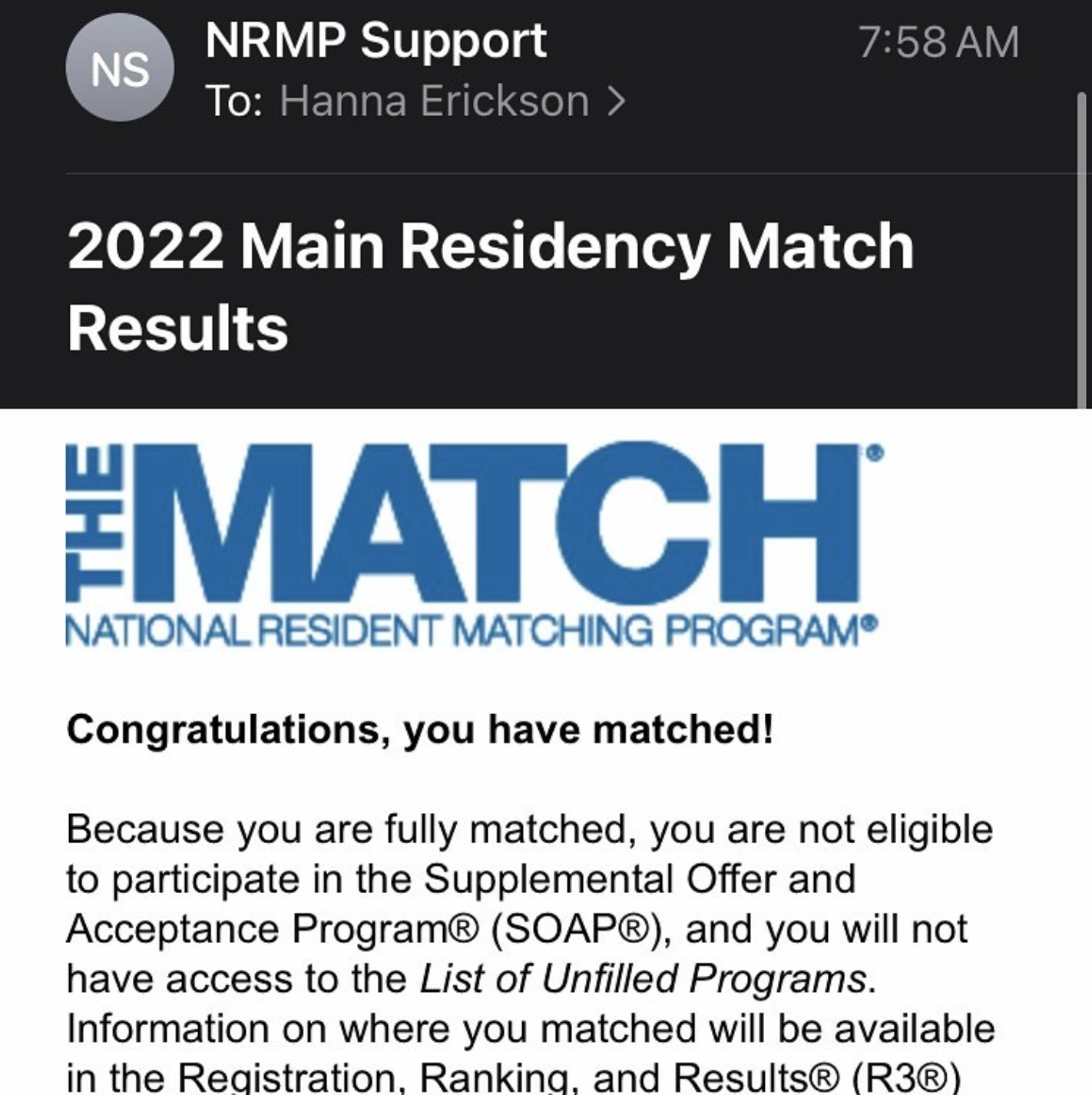
Then on March 14, 2022, I found out that I matched to internal medicine residency!!! This was an extra special day because thanks to my recording of dates in an old blog post, I realized this was exactly 10 years since the day that I first discovered that MD/PhD programs existed.

Match email. Source: @MDPhDToBe

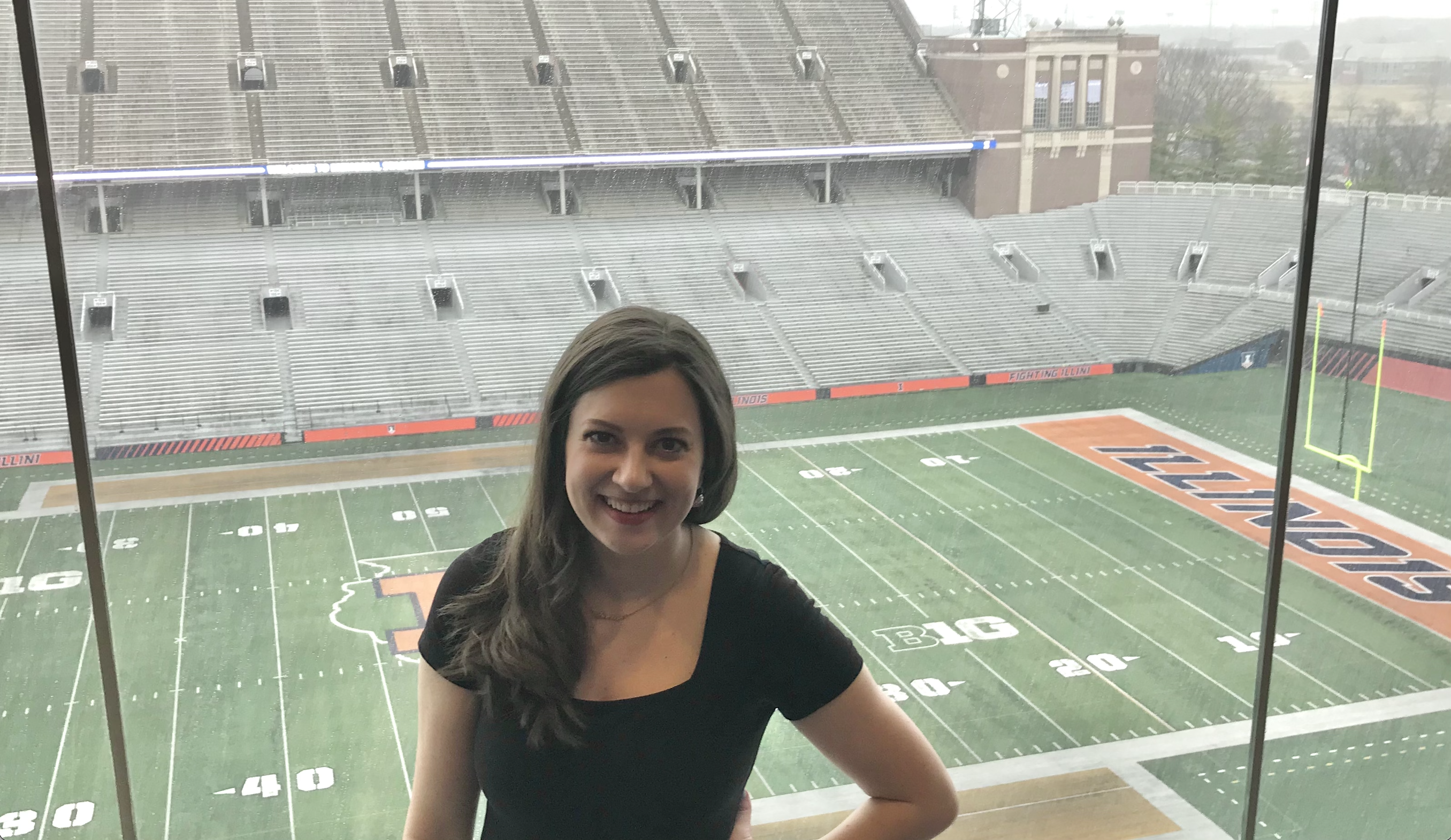
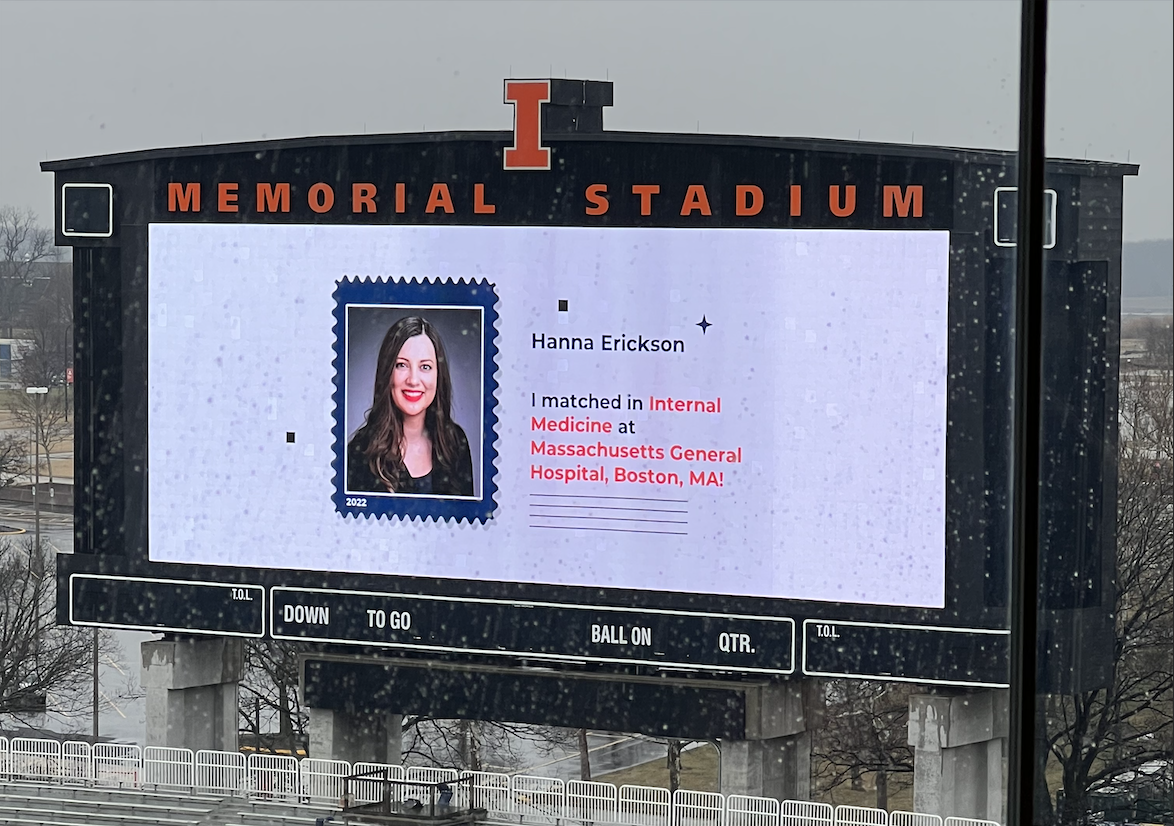
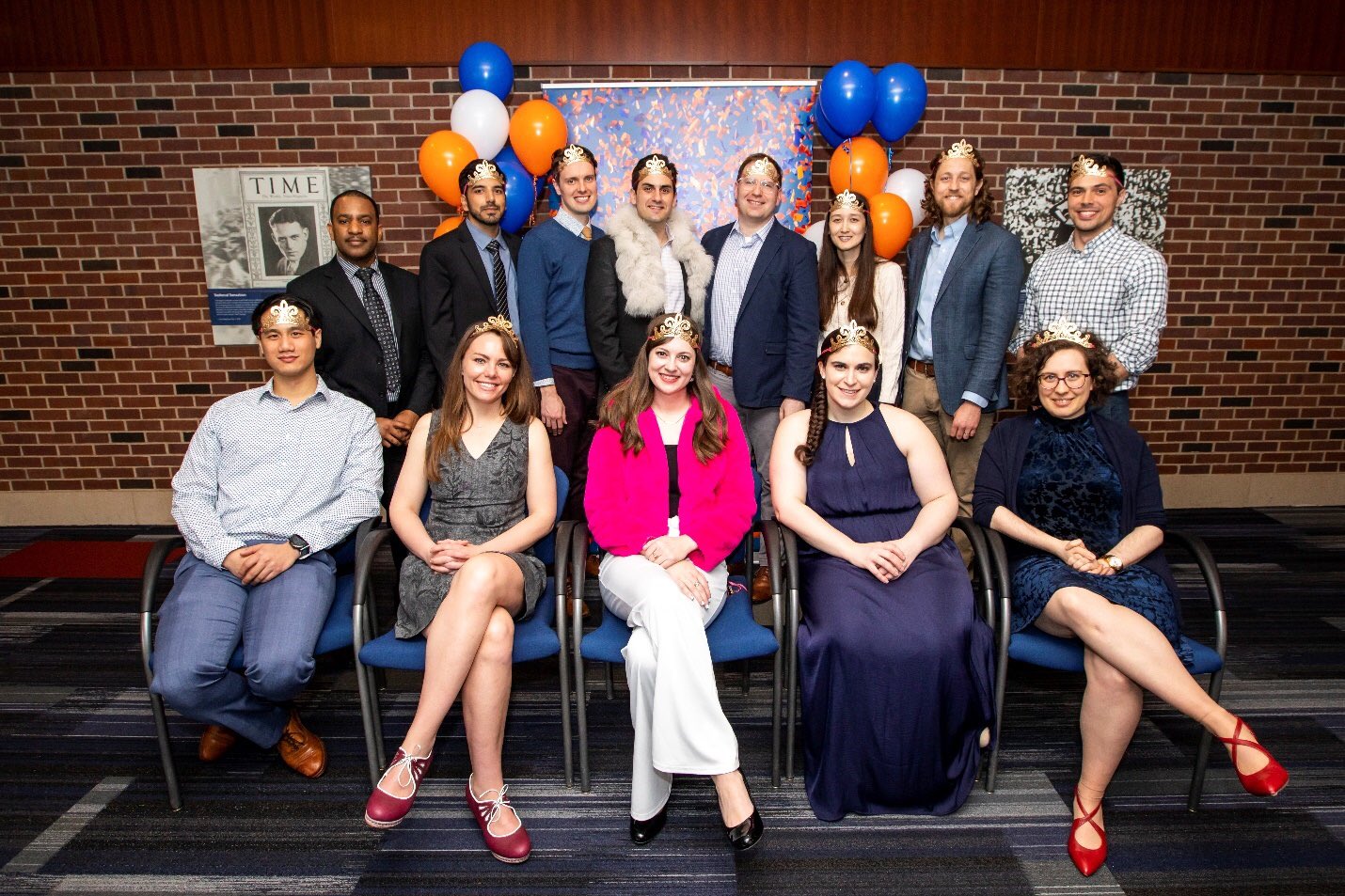
And finally, the day came. On March 18, 2022 at 12 EST, medical students around the country opened envelopes or read the email that stated where they would be training for residency. My school hosted a celebration at our football stadium:

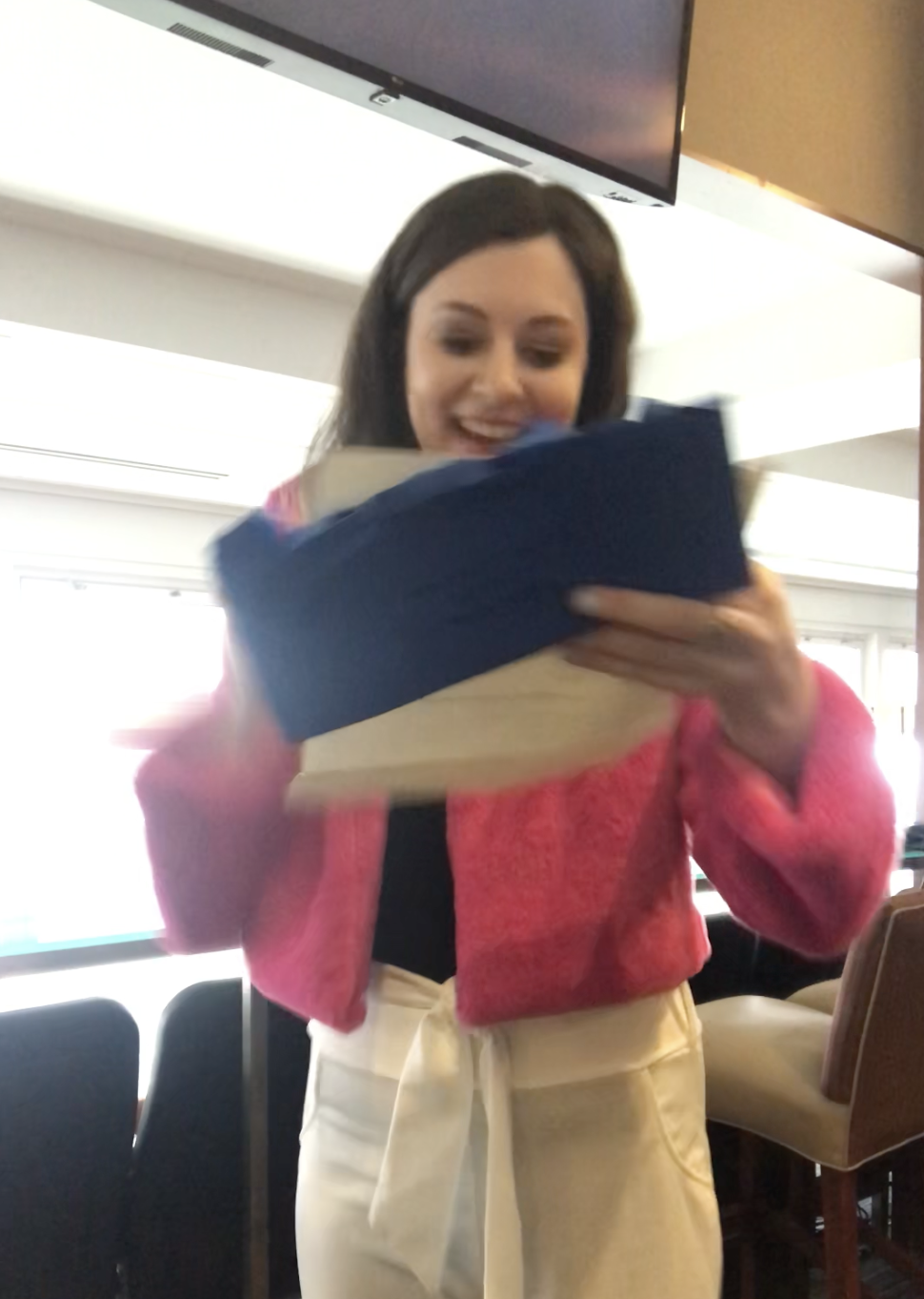
They gave us our envelopes:

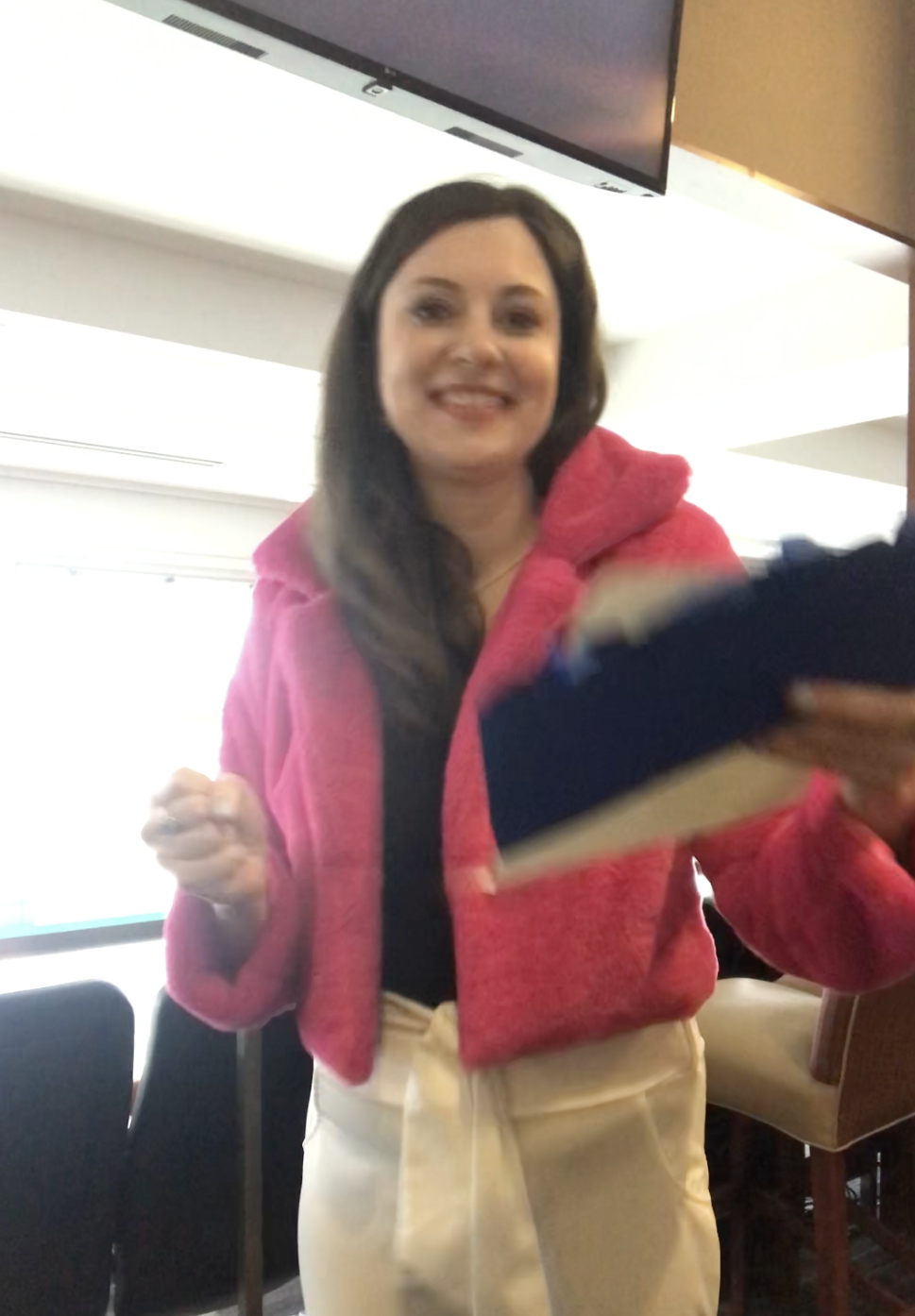
We opened them:

And I found out that I matched at:

Massachusetts General Hospital

in Boston, MA

Specifically, I will be in the Stanbury Physician-Scientist Pathway.

I hope to provide more information on here about physician-scientist programs in residency, but in the meantime, I plan to enjoy this exciting news and begin my move to this new phase of my training!

Also, no post about the match is complete without acknowledging the long road to get this far and the people that helped me make it through. In particular, I want to recognize how as a MD/PhD student, it is hard watching classes who started with/after you match. But at the same time, there is something special about celebrating with people you’ve trained with for 8+ years. Iโ€™m so proud about what my graduating class has already accomplished and canโ€™t wait to see what further impacts we have on the world! I’m so thankful for this Ultimate Legacy class and glad they joined me in wearing tiaras – to quote Taylor Swift: We all got crowns.

Almost Docs: How to pick a research lab

This was originally shared on www.almostdocs.com (which no longer exists???) While I thought I had re-published all of my important articles from that site last year, I guess I missed this one. ๐Ÿคท๐Ÿปโ€โ™€๏ธ Please note that I wrote this in 2014!!!

Whether youโ€™re a pre-med who wants to build your resume for medical school, a medical student who wants to fill a free summer, or a graduate student, youโ€™re probably going to be doing research. Before you jump in to trying to join a research group, I am here to warn you that not every research environment is equal (as Iโ€™ve learned the hard way, which sort of makes me an expert so you probably heed my warning). If you do it right, there is a lot to consider when finding a research advisor that is best for you, which is ultimately whatโ€™s important.

If the thought of picking a research advisor makes you feel a little like this:

Then this list of considerations is for you.

1. What area of research do you want to be in?

First things first, you need to narrow down your options. Often this will be in your major or graduate program area, so hopefully youโ€™ve already had a chance to reflect on this. Do you want to do biology or engineering or anthropology? Whatever it is, look for professors who are doing research in that area.

2. Does your personality fit with that of the Primary Investigator (PI)?

Before asking to join a lab, it is essential that you reach out to the PI (or the professor in charge of the lab, for those who do not know). Talk to them about their research and the lab environment and by doing so, try to gauge how well you would work together. The PI will be your primary advisor in the lab and you need to make sure that you will be able to work with them and be successful.

3. How involved is the PI in their students?

Some PIs expect a detailed schedule of their studentsโ€™ work and oversee it closely while others lay back and donโ€™t keep a close watch on their students at all. Of course these are the extremes, but you will find PIs along a whole spectrum of involvement. Depending on your work ethic and confidence, one extreme or the other may be better for you. It is important to understand how you work to understand what youโ€™re looking for in a PI. Remember, if a PI is more laid back, you will have to be more driven and independent to get the work done. On the other hand, if youโ€™re more independent, a PI that sort of hovers will be quite frustrating.

Also, ask the students in the lab about the PI. You may find out even more information to sway your decision (such as if the PI has a short temper โ€“ true story).

4. How much do students have control of their own project?

This related to #3 and mostly pertains to those students in graduate school. To become an independent researcher (as is the goal of graduate school), you need practice planning your own research. If your PI doesnโ€™t let you do much of the planning, you wonโ€™t get this experience and you might get stuck doing work that you do not want to do.

5. Do students get adequate guidance?

How often do students in the lab meet with the PI? Are there regularly scheduled individual meetings? Do they have to present regularly at group meeting? Does the PI have an open door policy? Is the PI always traveling? Are there senior scientists, post docs, or senior grad students in the lab that can provide guidance as well? Research is based on mentorship and you need a mentor that will be available to you.If youโ€™re new to research, especially, figure out whom you will be working with and if you will be able to work well with them. Will they be a strong supporter of your development as a researcher?

6. How large is the lab?

A large lab may mean getting lost within the students and not having adequate access to the PI, but it also means having lots of students to rely on and work with as well as greater resources. A small lab likely means a more personal environment but possibly less equipment. Will a small lab be adequate for the research that you would want to do? How personal of an experience do you want?

7. Do you get along with the students?

You will likely be spending most of your time with the other students in the lab rather than the PI. It is quite important that you will be able to get along with them otherwise working in the lab may not be the greatest experience. How close are the students? Are there cliques? Does your personality fit within the group? Do they like to chat? Do they like to chat so much that it affects work time? Do they hang out outside of lab? Being social and working well together is great. Being too social and not getting enough work done is not so great.

8. Will they pay you?

Oh, the ever so important issue โ€“ money. As a novice to research, it is often expected that at least initially you will be volunteering in the lab. Perhaps if the PI has enough money, they will be able to pay you eventually, which is an important thing to figure out early on. For graduate students, this will determine whether you will have to do additional outside work to make your money.

9. If youโ€™re a grad student, will you have to TA?

Going along with #8, the usual way for graduate students to earn their stipend other than being paid by their PI is to serve as a teaching assistant. Of course, this takes away time for doing research, which is what youโ€™re there to do (unless youโ€™re an awesome person who also likes to teach!) Many programs require at least some TA experience, but depending on the PIโ€™s funding level you may need to do more than required. Also, if youโ€™re not comfortable with teaching/have no interest in doing it, you also may not want to join a lab that will require it for your pay.

10. How well funded is the lab?

Money isnโ€™t just essential for your pay; it is essential for the research. Does the PI have enough money to do the work that you will be doing or will you be restricted by funds? This can likely affect your success in the lab if you cannot do the work that you need to do to get results.

10. How much time is expected from you?

Does the PI want 10 hours a week or 70 hours a week? Do they not care about the time as long as you get the work done? Do they require you to work on weekends? Most of us try to have lives outside of lab, so this is an incredibly important consideration and the required time can vary drastically.

11. How long does it normally take for students in the lab to complete their degree/publish a paper?

Being published is a major measure for the success of a researcher. If you want to publish as an undergrad or a medical student, it is important to try to feel out the chance that you would get published from your work in the time that you have. If you are a grad student, you want to make sure that you will be able to publish in an adequate amount of time since you usually need to publish to get your degree.

12. Where does the lab normally publish?

Not every research journal is equal. Some hold much more prestige than others and many people look at where people publish as a marker of their success not just if they publish. If this is important to you, look to the PIโ€™s papers and see where they tend to publish. It is important to note that often publishing in the top journals requires much more data, which means it likely takes longer to produce a paper for journals of that caliber, so that might also be a deterrent.

13. What is the specific research topic in the lab?

Finally, weโ€™ve reached the topic that many make a mistake by considering too greatly. Sure you picked a field of research in your first consideration, but you havenโ€™t yet considered the exact topic in the lab. Thereโ€™s a reason โ€“ it honestly isnโ€™t that important as a trainee. If youโ€™re going to be doing research as your career, then youโ€™ll have more freedom to study what you want, but as a trainee, the most important thing is becoming skilled as a researcher. Maybe you want to study RNA splicing in liver development but you end up studying signaling pathways in neurogenesis. Guess what, youโ€™re still doing research and getting the experience that you need to move on to the next step in your career path. Picking a broad topic within your field of choice โ€“ such as cancer like me โ€“ can be a good idea as a basis for your career, but donโ€™t pick a specific area that restricts your choice of labs, which may make it harder to find a lab that fulfills the other considerations.

Now with this guide, go forth and find a research lab that is best for you and discover great things!

A year in the life

The new year is often a time of reflection on the previous year and planning for the year to come. As I look back on 2013, it seems to be a lot of endings and new beginnings. Sure there was some bad, but there was also good – life is more exciting with both extremes after all. Here’s some of my experiences from the past year:

Got rejected from many MD/PhD programs

Played volleyball for the first time in an intramural league

Saw my beloved Gophers play an outdoor hockey game in Chicago and visited the city for the first time

Became seriously interested in writing/blogging

Lost my grandmother to cancer

Moved my grandfather out of the house heโ€™d lived in for 58 years

Got accepted to a MD/PhD program

Played in my last pep band gig

Planned a dance (amazingly stressful)

Handed off my undergraduate leadership responsibilities

Completed my UROP research project

GRADUATED FROM COLLEGE

Quit caffeine

Got my first apartment on my own

Cleaned out an entire house

Digitized ~2,500 pictures of my family

Traced my family geneology back to 1090 A.D.

Went swing dancing for the first time

Celebrated 7 years as a hospital volunteer

Dressed up as Cinderella and visited kids at the hospital

Moved my undergrad lab to a new building

Moved by myself to a new state

Started my MD/PhD program

Began drinking coffee again

Made lots of new friends

Started biking regularly

Became a football fan

Ate sushi for the first time

Went to my first scientific meeting

Went home for homecoming

Began shadowing an oncologist

JOINED A THESIS LAB

Got a keyboard and began to play piano again

Surprised my family by turning some writing my grandmother unsuccessfully tried to publish into a self-published book.

Started planning my graduate research project!

Hope 2014 is just as exciting!!!

An ex-marine’s perspective on life

My grandfather, an ex-marine, told me a story today. He said that back in World War II when he was stationed in Hawaii, good friends that heโ€™d spend all of his days with would go up in the air to log experience hours in planes, and sometimes an accident would happen and in a matter of minutes they were gone. Then, of course, all of the men would drink that night to honor their memory.

Marines 15

Well, one day, my grandfather was walking with his parachute over his shoulder along side the pilot to the plane when one of the other men ran up to him saying that they were switched out so that the other guy could get the four hours that he needed. Twenty minutes later, the plane crashed and that guy was gone.

You sure bet my grandfather drank a lot to honor his memory that night.

My grandparents in 1946 – one month after they started dating.

Today, my grandfather had to leave the home that heโ€™s had for almost sixty years just three weeks after losing his wife of 64 years who gave him 3 daughters, 7 grandchildren, and 3 great-grandchildren. It broke my heart. But he said, โ€œI got 64 more years than many of those other guys. I got a family.โ€

He said that after the men came back from the war, they couldnโ€™t appreciate problems facing society. Everything seemed so trivial to the deaths they saw in the service. They knew that they had close calls themselves and it was something that they never forgot.

We may have never experienced such death, but it is important to remember and honor the lives of any who have lost theirs by appreciating the time that we have.

I hope this is something that I never forget.

“I’m Sorry For Your Loss”

This past Sunday, we celebrated the life of my grandmother who recently passed away 7 months after being diagnosed with cancer.

I like to tell myself that I knew from the day that she was diagnosed that we would have to face this day, to say goodbye, sooner than I had hoped. It is my way of coping, to remind myself that on the bright side, we knew it was coming so we were able to at least say our goodbyes.

At our open house for her (as she said โ€œthere will be no funerals for members of this house!โ€ – referring to her and my grandfather), I had family friends and distant relatives tell me, โ€œIโ€™m sorry for your lossโ€ – I had always known of the phrase as common but never thought much of it.

Suddenly I found it absurd.

This isnโ€™t just my loss โ€“ they knew her too โ€“ it is their loss as well. It is the worldโ€™s loss. Even as an elderly woman, she was involved in a cribbage club, a caregiverโ€™s group, a book club, a bowling league, and kept in touch with other good friends in addition to loving her family. No matter how well any of us knew her, she made an impact on all of our lives and now, she is gone.

Even as a close family member, I shared her with three great-grandchildren, six other grandchildren, her three daughters, her husband, and her cat. While I felt exceptionally close compared to the other grandchildren โ€“ living with her for a summer, calling 2-3 times a week at least โ€“ I can appreciate everyone elseโ€™s love for her as well. If anyone truly deserves to hear โ€œIโ€™m sorry for your lossโ€ it is my grandfather who spent the past 64 years with her and whom she took care of in her final years.

We all lost a great woman and no one should have to tell another โ€œIโ€™m sorry for your loss.โ€ Rather, it is โ€œIโ€™m sorry for our lossโ€ or if it must be specified in any circumstance, โ€œIโ€™m sorry about your grandmother/grandfather/uncle/aunt/mom/dad/sibling/dog/etc.โ€

From my experience, the possession associated with โ€œIโ€™m sorry for your lossโ€ is not felt as deserved as a family member grieving. Perhaps this denial of possession is to spread the grief and sadness, but I’d like to think of it as wishing to spread the joy of having known such a wonderful person to not think of it as the negative of losing the person, but the gain of having known them.

It is small things like this that we must acknowledge when looking at the world, choosing how to think, and deciding what to say. It’s the difference between a loss and a gain. It’s the difference between keeping something to yourself or sharing it with the world. It’s the difference in perspective.