Spring “Break”

Spring Break 2014 has just come and passed. While this is a time for most undergrads to get away from campus, it’s a time for grad students like me to stick around and get work done. This is what it looks like.

~

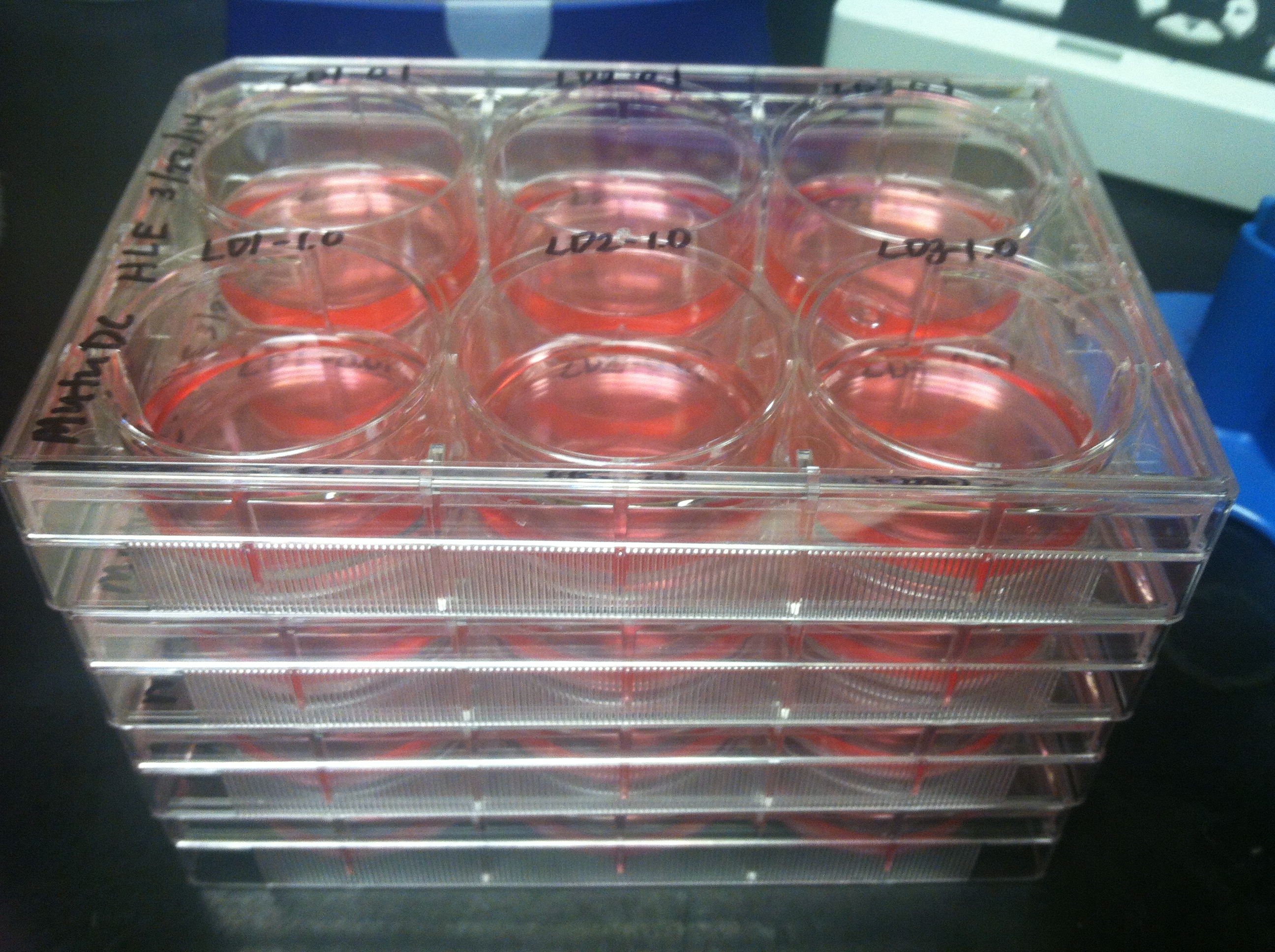
DOUBLE FISTING

Photo on 2014-03-25 at 09.28 #2

No, not drinks.

~

LEARNING ABOUT [FOREIGN] CULTURES

2014-03-22 11.34.11

Cultures of cells…

~

PARTYING* IN THE HOOD**

2014-03-22 10.18.50

*Working

**The tissue culture hood

~

MIXING IT UP

2014-03-22 10.28.28

Work that vortex

~

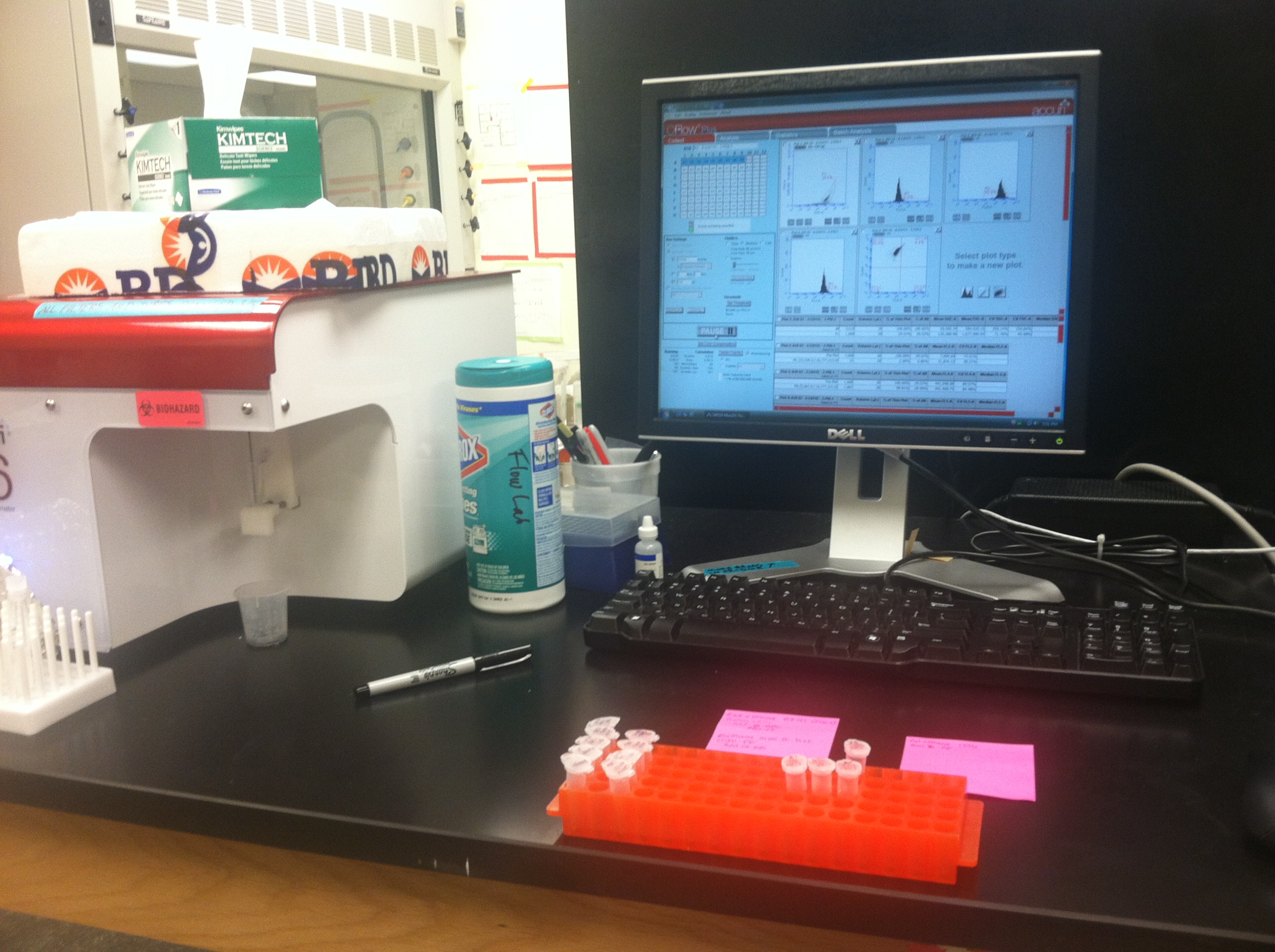
ENJOYING THE FLOW

2014-03-24 17.51.00

Flow cytometry, that is.

~

ENHANCING MY HIGHLIGHTS

2014-03-25 21.36.51

Not in my hair, on my notes.

~

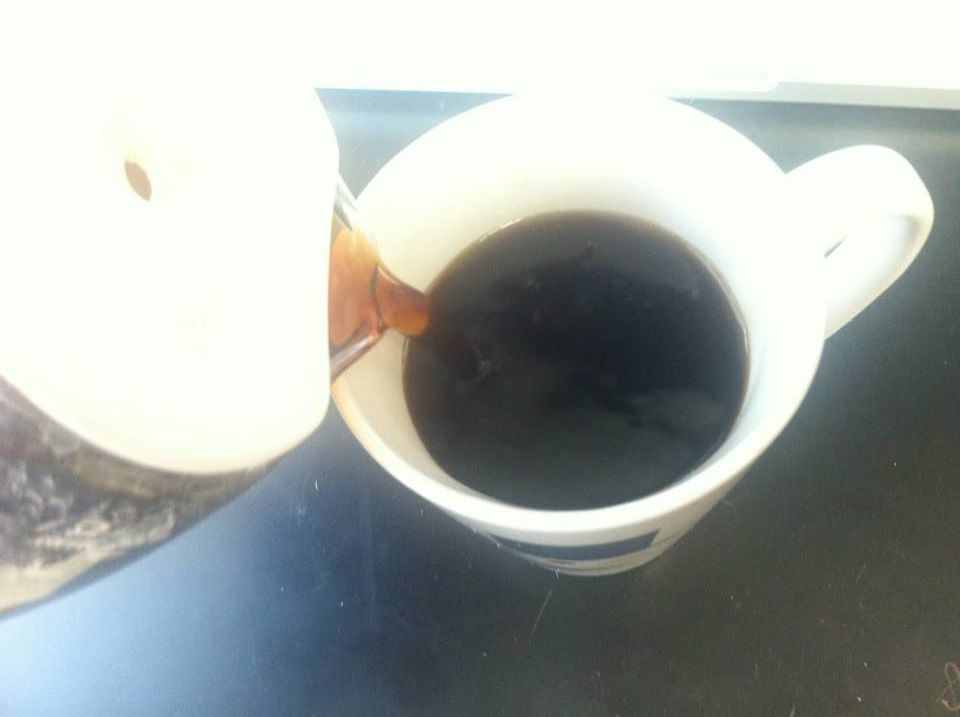
CONSUMING DRUG OF CHOICE

coffee

MOAR COFFEE

~

USING ALCOHOL

2014-03-24 19.22.35

Don’t drink this stuff.

~

TRYING TO FIGURE OUT WHAT’S GOING ON

2014-04-01 21.33.44

So much data. What does it mean???

~

Wow! What a week!!! 😉

2014-03-23 13.23.22Eternally waiting for the centrifuge…

My third and final rotation

To put it simply, my third rotation was different.

Leaning toward joining my second rotation lab, I picked my third rotation advisor not because of the research focus but because the PI (primary investigator) was a new and enthusiastic professor. Seriously, this PI is one of the most passionate people I have met within the field of science. I had met them on my interview weekend and really enjoyed hearing their take on academia as a recent post doc. As they told me about their research I kept asking “You could apply that to cancer, right?” and they would say, “Yeah, but we’re doing it with muscular dystrophy in the heart” or “Yeah, but we’re looking at the liver.” The scientific area they looked at in the lab (RNA expression/splicing) was a secondary reason why I chose the lab for my last rotation.

I knew I didn’t want to look at the liver or the heart, but I thought I’d try just to see if it sparked my interest outside of cancer in general.

I solidified my decision for doing my third rotation in the lab before I began the second. Then as I began my second rotation, an opportunity to form a collaboration for a grant related to cancer arose and I suggested my third rotation advisor as a collaborator since the techniques used in that lab could be applied to our research. We together wrote our letter of intent for the grant and I began planning a project for me to do during my rotation.

Unlike most students who begin their rotations and are introduced to the lab’s work then given a project, I came in to the rotation declaring my project and was given a side project to get used to the techniques of the lab before applying them to my precious samples. I was given some papers related to the liver work that I was doing but other than my introduction, I never really had a conversation about what I could do with it as a thesis project. I found out at the end that they had that kind of discussion with other rotation students but because I was so set in my ways that there was no need to convince me to switch my interests from cancer and the immune system to the liver.

While I ended up not joining the lab, I had a great time getting to know everyone in the lab (though it was relatively new, there were a lot of undergrads to get to know in addition to the grad student and post doc). I will definitely miss them but I hope to continue to the collaborative project with the lab so I will still get to interact with them. Nonetheless, this rotation re-introduced me to techniques I hadn’t used for many years such as western blots (which I had done in biochemistry lab) and PCR (which I had done in my first undergrad research lab), which was nice to go back to (and made me sort of nostalgic about my first undergrad lab)! So overall, it was quite enjoyable.

I ultimately ended up joining my second rotation lab, but I am glad that I complemented the first chemistry-focused lab developing chemotherapeutic agents and the second immunology lab focused on developing immunotherapies for brain cancer with a lab focused on understanding the RNA expression and splicing changes in disease and development. I ultimately joined the immunology lab, but as I’m researching potential directions to go with my project, I am finding ways to include the three distinct labs in which I did my rotations.

Unlike many students who came in to the program knowing that they wanted to work in a particular area – be it microbiology or biochemistry – or a particular topic – such as non-coding RNA – I came in with a general purpose to have my work relate to cancer therapy. I rotated in both biochemistry and physiology labs that were in quite distinct areas of chemical synthesis and characterization of potential drugs, immunology, and RNA expression. My list of potential research advisors included PIs from all four departments in my specific graduate school. And I went to seminars for all departments as I found some related to my interests in every department.

While I may have a different way of deciding my thesis lab, being much more of a generalist, I think in the long run, it’ll do me well. It’ll help me be a more well-rounded researcher with a broader scope of the implications of my work and the methods available. It’ll also keep things exciting. Instead of being a specialist in a certain scientific level be it biochemistry, microbiology, physiology, etc., I hope to be a specialist in a disease. Pathology is so complex that I feel this is a good perspective to have for my ultimate goal. Throughout the fall, I have made great connections with professors and graduate students during my rotations from many different areas who I can go to for help throughout my journey, and I can’t wait to get started in my permanent lab!

Reflections from my second lab rotation

Each August, my MD/PhD program holds a retreat that includes inviting alumni back to speak to the current students. This year, the theme of one of the alumni’s talks was “serendipity.” Defined as a happy accident, serendipity was a great way for her to describe how she came to her current career as opportunities arose that were best for her but did not fit a conventional career path in medicine. This same term applies to much of my path. It was serendipitous for me to even find out about MD/PhD programs – discovering they existed while looking at grad programs just days before taking the GRE – and apply to my specific school – being encouraged by an e-mail to apply – and it has turned out to be the perfect program for me. And so, I’ve learned to embrace of such pleasant surprises by keeping myself open to change as best I can to see where life will take me.

Today marks the three-month mark of me living in Illinois. It’s crazy to realize that a quarter of a year ago I was making the move excited to start my new life in a new state as an MD/PhD student. Now, it feels like home. In that time, I’ve made many new friends who are grad students like myself, I’ve learned to live on my own, and I’ve adjusted to the responsibilities of being a graduate student. It has been a major change from my comfortable undergrad life in Minnesota where I had family nearby, roommates, and plenty of extracurricular activities to keep me preoccupied.

As I’ve gone through my lab rotations, my research interests have also shifted in a somewhat serendipitous manner. In undergrad, I imagined my research to contribute to improving chemotherapy by developing more targeted small molecules as potential drugs. I rotated first in the one lab that was related to this and that I was interested in before coming to here, and it turned out to not be all of what I wanted in a lab. Fortunately, I found a lab that had not been listed as taking graduate students in the spring when I visited for my interview but was related to cancer therapy – immunotherapy for brain tumors, specifically – and so I took a chance and contacted the PI. It turned out that they were going to be taking rotation students, so I met with them before the school year began and we hit it off! They were actually going to a neuro-oncology symposium at Minnesota, my beloved alma mater, at the end of the first rotation and wanted to have me come with but I had already set up my first rotation so we agreed that I would do my second rotation in the lab and not go to the symposium.

When I met with the PI again near the end of the first rotation, we confirmed that we were going to do whatever we could to be matched in the process of assigning labs. I was going to list the lab as my top choice and they were also going to request me as a student. The next day, we also figured out a way to get me to the symposium in Minnesota by asking my first rotation advisor if it would be alright if I took the last couple days of my rotation to go. They agreed and so I left on the Wednesday night before the symposium and drove 4 hours to Madison where I stayed with one of my best friends who just started a PhD program there. I left the next morning at 4:45 am and made it to Minnesota at 9, just a little late to the symposium but better rested than if I had woken up early enough to be on time for the 7:30 symposium registration.

Being able to go to this symposium was possibly the best opportunity that I’ve had so far in grad school. I learned a lot about neuro-oncology and met many big names in the field. Most importantly, it inspired me as there is a cohort of researchers at Minnesota ranging from basic research to animal and human clinical research devoted to developing immunotherapies for brain tumors who all spoke at the symposium. My knowledge of immunology – and immunotherapy specifically – was limited since I had only superficially been exposed to the topic in my physiology and health psychology classes in undergrad, but I left that symposium really believing that triggering the immune system to attack cancer cells had the potential to be a much more effective mode of therapy than the slash, burn, and poison techniques that are currently used (surgery, radiation, and chemotherapy). It was also a great opportunity because it was homecoming so I was able to stay for the weekend, see many of my good friends, and go to the homecoming festivities for the first time as an alumna.

With my former roommate at the homecoming football game!

As I said in my previous post, “The first rotation is the hardest,” the structure of a lab rotation can vary drastically depending on the lab. While my first lab had me working on a project of my own, my second lab had me essentially just observing. This lab is small with just a graduate student, three undergraduate students, and the PI, so there was less experimental work to observe. This gave me free time during the 5 weeks to research the literature and gain a more in depth understanding of immunotherapy and begin to formulate ideas of my own to pursue.

While there was less lab work to observe, when there was something to observe it was something I had never seen before. As a chemistry major working in a medicinal chemistry lab in undergrad, my work primarily involved analytical chemistry with a little bit of tissue culture. On the other hand, this lab primarily does work with mice and so the first time I had ever worked with mice I ended up doing a little brain surgery to inject cancer cells into their brains, which they were going to live with for a week when we would collect some of their organs for immunohistochemistry. I had never been a fan of dissections (topic of a future post), but I actually enjoyed doing surgeries on mice.

So you may be wondering what interests me so much about the immune system. Well, the immune system is the body’s defense against foreign antigens and so it can be activated to attack bacteria, etc. that are recognized as non-self. Human cells can also be recognized as non-self and can be attacked such as when a person receives an organ donation from a non-compatible donor and the body rejects the organ. To control the immune system and prevent it from attacking the body’s own cells, there are also immune cells that suppress the immune response toward an antigen. Since cancer cells arise from an endogenous (self) cell, they can be missed by the immune system even though they have altered expression of proteins that could distinguish them from normal healthy cells. Additionally, cancers tend to emit signals that promote immune suppression and thus prevent their destruction. I’m hopeful that better understanding this cancer-induced immunosuppression and finding a way of inhibiting it will be able to improve immunotherapies.

You may also be wondering what interests me about brain tumors. Well, one in four cancers that spread throughout the body ends up metastasizing to the brain (about 170,000 will be diagnosed in a year) and the prognosis for these patients is generally poor. For those diagnosed with brain metastases, their life expectancy is usually less than 2 years. Brain cancers are also more difficult to treat because the blood-brain barrier is limiting for delivery of therapies. Therefore, there is an extra challenge in developing therapies, and I am always up for a challenge. 😉 This can be overcome by surgery, which is non-ideal to repeat because it exposes the brain, increases the likelihood of infection, and may not completely remove all cancer cells. As an alternative, immune cells can cross the blood-brain barrier easily, which makes immunotherapy a viable option for treating these tumors.

Though I didn’t need to have a project of my own during my rotation, I was itching to have something to sort of call my own. I finally got my own project started at the end of the rotation that I’m continuing to my third and last rotation in a lab that looks at alterations in RNA splicing during development. I plan to use the RNA analytical techniques of that lab on samples from my second lab. In fact, soon after I began my second rotation, I established a collaboration between the two labs! Therefore whichever one I join, I can work with both PIs because I like both of them as well as their labs.

Just 29 days until I can officially join a lab. Until then, I will need to decide which of these two labs I will be the best for me. Regardless, I should be able to do the science that I want to do, so now it’s just picking my primary lab and advisor.

I guess this is growing up

As Voltaire said, “Uncertainty is an uncomfortable position,” and the transition to medical school or grad school (or both!) often comes with much uncertainty. For many of us, we move away from home, leaving loved ones and everything that we’ve known. If you’re like me, you went to college close to home so the transition then wasn’t too bad, so this is really the first time on your own and this is the first time you’ve felt such a massive shift in your life.

At the same time that we move away and start our new adventure, our undergrad friends get real jobs and start to figure out their lives in our absence. While we struggled to get into school before they started their job search, now they are the ones trying to figure things out  while we are set for the next 4+ years (8+ years for MD/PhD students – I like to call it “putting off getting a real job.”) As we go in different directions with our lives, it can be hard to handle.

But this is not our first rodeo. The same thing happened when we began college as we left our high school friends behind. We made new awesome friends who perhaps shared a major, career interest, extracurricular interest (for me, most of my friends were made through the marching band), or love of alcohol and partying (because, you know, college) and we wondered how we could have ever lived without such great friends in high school. No matter how much we intended on staying in touch with high school friends by skyping and visiting each other on the weekends, we start to drift apart as we become immersed in our new life.

It is a sad fact of life that as we undergo transitions we must give up much of the life that we know and love. Nonetheless, it is something we must all endure as we grow through this life, and in the end it can be for the best. Luckily, some of these friendships can last, but they are often put on the back burner for the time being while many others are removed from the hypothetical stove altogether. When you do see these friends again, it is a wonderful feeling. But while you’re gone you do change in a way that these friends do not and it can make the distance hard especially as you begin to find a new niche in your medical school or graduate school cohort.

Beginning a new program of study, you again wonder how you ever lived your life without these people. Medical students are pretty weird, but we are all a similar kind of weird. It may seem normal to us, but to the general population, obsessively studying, putting in the insanely long hours we do, and being oddly excited about cutting into human bodies comes off as really strange. We’re a sort of masochistic bunch, as we push ourselves and devote so much of our lives to helping others. Luckily, we find solace with our own kind as medical school becomes our sort of refuge.

Grad students are pretty weird as well. Striving to enhance the knowledge of our world, putting in long hours, and barely getting paid. It can be a rather isolating educational experience as you work on your own project that not many others may even understand. It’s cool that you’re the only person in the world who knows that much about what you study, but it is also challenging. Luckily, your peers in grad school are going through the same thing and so within your grad student cohort, you find your people.

Then there’s MD/PhD students. We’re sort of stuck between the two. If anyone really embodied the weirdness of either education path, it would be us. Within our medical school and graduate school cohorts, we find the people that really get us at the moment and add a little certainty to our lives.

The first rotation is the hardest

They say your first lab rotation in graduate school is the hardest – you’re adjusting from undergraduate to graduate student, you’re adjusting to potentially a new school and a new state, you’re adjusting to new people, and you’re adjusting to new research and a new lab. Nonetheless, this is a universal experience: every graduate student in the program before you and all of your peers have gone through the same thing or are currently going through it with you. Depending on the lab that you’re assigned, this experience may slightly vary. Some labs will have you work nearly independently; others will have you follow around a graduate student in the lab.

Though it may be difficult, it is also one of the best times of graduate school because there is less pressure on your productivity while you work on research that is likely not related to your future thesis as you may not even chose that lab as your thesis lab. The emphasis of this time is much more to get to know the lab, the professor, the area of research, and figure out if this is a place that you would like to spend the next five or so years of your life working. If you’ve read my previous post “Picking a thesis lab is a lot like dating,” you hopefully understand how picking a thesis lab pulls at your emotions just like dating. Let’s just say my first rotation came with a rollercoaster of emotions.

From the time that I first looked into research at this school, there was one lab that stood out from the rest in appealing to my research interests. I read some of the recent work of the lab and met with one of the graduate students during my interview weekend since the PI (primary investigator, or professor) was out of town. Over the summer, I looked more into their papers and sent an e-mail to the PI to introduce myself as an incoming MD/PhD student, give a background on my research experience, and explain how the lab’s research fits with my research interests. I asked if they would be willing and able to take a rotation student from my program this fall and if they’d like to meet once I moved to campus.

The PI agreed on meeting and so soon after I made my move, we met to discuss the potential of me rotating in the lab. There was some concern regarding my position as an MD/PhD student because of previous experiences with MD/PhD students trying to rush through their PhD to get to their clinical years. I reassured them that I was there to get a full PhD, that on the spectrum of PhD to MD, I was much more on the PhD side having planned to go that route alone for most of undergrad. Nonetheless, I was warned that PhDs tend to take a little longer in the lab though the publications are often stronger than others. This time frame is perceived to be detracting to MD/PhD students as our education is already so long.

As one goal of the lab is to identify small molecules that have an anticancer effect, my desire to become an oncologist seemed to appeal to the PI. We felt that the first rotation would be best for me to be in the lab since during the second, they’d be getting chemistry students joining the lab (these students don’t rotate, they just have to get to know PIs by going to lab meetings and whatnot then officially join a lab at the end of October). Our rotation assignments are ultimately decided by a committee to best fit everyone’s interests, so the PI helped make sure that we were matched by requesting me as a student in addition to me listing the lab as my first choice.

The lab assignments were released and we were matched! Before I had received my official assignment from our program, the PI had already found out and contacted me late on that Friday afternoon. Within 20 minutes of receiving their e-mail, I was at their office to discuss what I would be doing during my rotation and I spent the weekend reading papers to prepare. I was very excited to get started in the lab!

My assignment began that Monday and I started it by going to 8 am lab meeting before my 8:30 class. I briefly talked to the 5th year graduate student who was supposed to be my mentor and the PI introduced me to the lab. Being that it is a large lab, I didn’t really get to know many other students’ names but at least they got mine.

Following class, I met up with the graduate student and began my safety training. Most of the lab was in one building but three of us were in another a few blocks away so I didn’t really get a chance to meet many others in the lab. There was an older MD/PhD student in the lab who I had talked with over the weekend at our retreat who warned me that social cliques were strong in the lab, so I had to be extra careful to be on everyone’s good side. I was also warned that there was a hint of dislike toward MD/PhD students or at least biochemistry students as everyone but the one MD/PhD student were chemistry grad students. Being separated from most of the lab made it difficult for me to get to know others and work on getting on their good side.

At my first subgroup meeting on the second day of my rotation, I met with my PI, a collaborating vet, my mentor grad student, a post doc, and another grad student who were all working on a similar research topic. There we learned that the post doc had got a new job and would be leaving in the next month. To help with his work, my rotation project was then changed to complement his work in which he synthesized potential prodrugs – so much for spending my weekend reading papers to prepare for my rotation.

This shift in my rotation project took me away from biology to a much more analytical chemistry perspective. In fact, it was similar to my research in undergrad. My mentor graduate student gave me some papers to read about the topic and after that I went to the post doc mostly for help instead of the graduate student. I was okay with this because I was having a difficult time getting to know the student and I was becoming frustrated with having a mentor who did not seem too happy about having to help me. I know that its very important to know and get along with your fellow students but you just get to a point where it’s hard to continue to try. In fact, that was one of the most challenging parts of my rotation. They were a 5th year student and had their thesis to focus on so it’s understandable that they were less receptive to helping a new student who wouldn’t be helping progress their thesis, but it still didn’t make my experience better.

Though it was a large lab, I was incredibly surprised by the amount of attention I received from the PI. I was frequently given papers that they thought were interesting and would be valuable for me to read, and then we would meet and discuss them to make sure I understood their value and talk about how they applied to our ultimate goal. It was through this that I was led in the direction of a possible area of work for my thesis and so by the end of my rotation, I knew what would best benefit the lab and myself as a potential research project. I liked the way this was done so that I wasn’t just told “this is what I would want you to do” but more that I was directed toward that area of research, ultimately coming to it from my own experience in reading papers. I had many friends who did not have much interaction with their PI during their rotation, so I felt fortunate to be able to speak with mine regularly.

As I said, my rotation came with a rollercoaster of emotions. Some of the high points were actually getting assigned to the lab which was of high interest by many students, successfully optimizing an HPLC method for my analysis, and impressing the PI by not only reading the papers they gave me to read but finding others and bringing up what I read in those when we discussed the papers. Nonetheless, with the highs came the lows. As I previously mentioned, I was frustrated with not getting to know many students and having the ones who were supposed to mentor me not being too receptive. In time, I was able to meet more students and had some invite me to lunch but the set-up of the lab made it difficult as it was many small rooms instead of a big open lab so everyone was separated. Another low point was hearing from another MD/PhD first year who was interested in the lab that the PI had told them that they decided their lab didn’t fit with our MD/PhD program. After talking to other people in the group, I was reassured that they wouldn’t be showing interest in me if they thought that being MD/PhD actually would be detrimental my success in their lab.

Ultimately, I left the lab after my five-week rotation with a good impression. I could see myself being highly successful in the lab, so now the real dilemma comes from deciding whether I could be more successful in this lab or one of the other two that I will be rotating in. I told the PI I would be in touch in the following weeks as I begin to experience a new lab because my interest in joining the lab may affect how many new chemistry grad students they take. Whether or not I decide that a large lab full of chemists is the best place for me, I do really like this PI and this research, and I would love to form a collaboration if I choose a different lab so that we can still work together. 🙂

Picking a thesis lab is a lot like dating

The lab where you do your graduate school thesis work is where you will be spending about 5 years of your life (or longer depending on your project, sometimes shorter). Whether you do it faster or slower, it is still many, many years of your life. Even more, this experience will be essential to prepare you for your career and so where you do your thesis really has implications for the rest of your life. It does not necessarily define it, but it sure is a lot better to get into a lab where you will be able to get the most out of the experience so that you can be productive and well-prepared to hit the ground running in your career.

Basically, it’s a pretty big decision. Just as big of a decision as picking a significant other, only you’re on a time frame. In my program, we are required to rotate in labs to get a better feel of them, sort of like casually dating a few people before picking someone to go steady with. Each rotation lasts five weeks. At the end of these 15 weeks, we must then go to a professor and join their lab. Let’s just say, I now understand truly why people say that they’re dating grad school and it’s not just about the time commitment.

Say you see a cute looking guy/gal at a party or in class or somewhere in public…

During our orientation, we had three days where faculty gave talks about their research so that we could figure out whose research interested us. We were just an audience for the professor; they had no idea who any of us were or who out of us were interested in their lab just as you would never know someone was checking you out (unless they’re pretty obvious about it).

…and you find out their name, so naturally, you look them up on Facebook…

Schools generally list their faculty on their websites so you can look them up and read a snippet about their research. Additionally, they often list their notable papers that you can then find online and read more about their research. This gives you background information on their work and helps you figure out if you’re truly interested in their research topic. Depending on how much information they have online, you can find out other things like what kind of awards they’ve received, the size of their lab, and the kind of journals where they tend to publish.

…you think you like what you see and so you decide to make a move…

Not all professors require it (they often mentioned it in their talks), but it is a good idea to send an e-mail to those professors you would like to rotate with to introduce yourself, explain that you’re interested in their work and why you are interested (which is where doing background research about their work can come in handy), and possibly argue why you would be a good addition to their lab. If you would like to be so forward, you can then ask if they would like to meet and discuss the possibility of rotating in their lab and what projects are available for rotation students. It’s kind of like asking someone on a date.

…Wow, they said yes! Now you actually have to go on that date…

So the professor said they would love to meet with you, cool! You meet them in their office (usually) and they try to get to know a little more about you – what your previous research experience has been, what you want your future research to be, why you want to be in their lab (often more in depth about the things you wrote in your e-mail). Then they tell you about their research (which can get lengthy as professors LOVE to talk about their work… I usually set aside an hour or so when I meet with a professor). Perhaps you both really like each other after these discussions and it progresses to actually rotating in their lab, then you get on the topic of rotation projects. Yay!

Since there are so many students in my class and our interests may overlap, just because there is mutual interest between student and professor doesn’t mean that you’ll get to rotate with them. We list our top six preferences for professors and a committee then goes through to optimize our placement so that everyone gets the highest choice possible – say six people list one person as their first choice but that person is only taking one student at a time, five of those people will not be getting their
top choice. If a professor REALLY likes you, they can increase your chances by giving input to the committee that they’d really like to have you as a student.

…You understand that the person may be putting on an act, so you try to find out more about them from people that know them…

Grad students are likely to tell you the honest truth about the lab. They understand what you are going through having gone through it themselves and so they generally are willing to tell you straight up what is good and bad about the lab. Maybe the professor seems really nice when you meet them but has been known to actually scream at his students (true story, glad I found that out before I put him as one of my top choices). Obviously he’s not going to tell you that he does that but the grad students definitely will.

…as you’re not in a steady/exclusive relationship yet, you can go ahead and flirt with other people and you take full advantage of the opportunity…

No matter how much you want to join a particular lab, it is in your best interest to talk to many professors to really find your best fit. Whether their lab becomes one of the three where you rotate or not, they can still be a good connection for possibly being on your thesis committee (a group of professors that oversee your progress and ultimately decide when you can graduate with a PhD), teaching a class that you TA for, or teaching a class that you actually take. You may feel like a player, but it’s okay because the professors are likely talking to more students than they’ll be taking into their lab too.

…the stars align and you start regularly dating a person…

The committee takes the list of six preferences from each student and works their magic to satisfy the students and professors to the best of their abilities (a HUGE challenge). Voila! For the next five weeks you will be in a certain professor’s lab.

…you keep the fire alive in the relationship…

Nothing is set in stone yet, so you need to continually show that you would be a good addition to the lab – a good mate. As a rotation student (and later as a permanent member of a lab), it is important to show interest in the work. The professor/grad students may give you papers to read and discuss with them. You can even go beyond that and find more papers related to those given to you. You also do lab work and try to be as productive as possible. You work long hours to show your dedication. You just generally try to act as a student who will be a good contributor to the professor’s research goals (and if you’re genuinely interested in the lab, all of this just comes naturally!)

…you get to know their friends and hang out with them…

It’s always important to be able to get along with your significant other’s friends and of course have their approval. In grad school, this is important too. You try to get to know the graduate students that are already in the lab to see if you’d get along as coworkers. The social dynamics of the lab can sometimes make or break your experience. These people can potentially help you adjust to the lab and learn the methods related to your work, and potentially collaborate with you on your projects.

…finally, you decide to get serious and become exclusive – you have your match!

After three rotations in different labs, you approach the professor you want to advise you on your thesis work and ask to join their lab. Assuming that they haven’t already had others approach them and so there are still positions available, they may say yes and you then have your thesis lab! Sometimes others get to the professor first and they fill the available spots in their lab so you’re out of luck there. You then approach your second choice. If all three of your rotations are either incompatible with your personality/research interests/work ethic, you may not get into any of your rotation labs. There is an option to do an extra rotation during winter break, but this is a last resort. Ultimately, the program will do its best to get you matched to a lab.

Say the person you ended up with isn’t the best (maybe you didn’t find out everything you should have before making a decision). There is still an option to break it off and go steady with someone else.

I have heard a few cases where students joined a thesis lab and a few months later joined a different lab (even a case where this happened a few years into the thesis.) It’s not optimal as it sets you back but it can be done. In fact it’s better to start over after a little while than be in misery for your whole thesis or risk not being able to complete it.

This is what myself and the rest of my peers are going through this fall. We are currently awaiting the placement for our second rotation. Starting on December 9, we will be able to officially join a lab (happy birthday to me!)