Undergraduate curriculum

Would schools like it more if I majored in X or Y? Is it true that medical schools favor people who major in X? What classes should I take as a pre-med to make me best fit for medical school? I see these questions all the time.

I wish I could answer these for you, but unfortunately for those asking, these questions have no answer. Just as each applicant is different, so is each medical school. Each admissions committee may be searching for different candidates based on their personal vision for medical students.

Even more, much more than just the classes you take will help you get in. Committees tend to look at students holistically, and acknowledge circumstances that, say, might make a lower GPA seem more competitive (like if the classes you take are harder).

So then how do you go about picking an undergraduate major/courses to take in undergrad? The best thing you can do is pick something that you’re legitimately interested in because it will make you most excited about what you’re learning and hopefully will help you get the best grades in the classes you take. For those going into medicine, these are usually science majors, but if you have a passion for something else as well and can make the argument for how it relates to a career as a doctor, it shouldn’t detriment your chances of getting in. In fact, it may set you apart from all of the biology majors who are applying. Plus, you will have to take plenty of science courses as pre-requisites so you’ll still get the science exposure. If you’re truly interested in biology enough to major in it, go for it, but don’t just do it because you want to go to medical school.

If you do have a lot of interests that may not fit into a certain major, you can also pick just one major and add on a minor or two, or you can just take courses that don’t necessarily apply to your degree just to further your education. Don’t worry, the admissions committee should notice. I started college as a chemistry major intending on adding a biochemistry major, but due to scheduling difficulties, I never added the second major. Instead, I minored in biochemistry and took as many other classes as I could that fit my interests of drug design and health. For example, I took nutrition to fit a liberal education requirement because it had a health application and a committee member pointed out that they liked that I took the course because nutrition does have a large effect on health. Looking at my major of chemistry alone wouldn’t have told the committee all that I learned in my undergraduate education, but at least one member noticed an extra class that I took.

My advice for you? Don’t pick your major right away. Decide on a general area of study (like biological sciences, physical sciences, or music therapy), but you may find in a semester or two that your interest lies more in genetics than biology or that you’re much more of a chemistry person. Everything can be related back to medicine in some way and taking different classes from other pre-meds may help set you apart. When you do pick a major, don’t let that define the classes you take in undergrad. Find some other courses that interest you and may compliment your major classes. It will make you a much more well rounded applicant and it will continue to pique your interest (I know you’re probably getting sick of learning the cell cycle over and over, a chemistry course might actually be a nice change from that.)

If you’re curious as to what classes I took in undergrad, you can find that below. Notice that in addition to emphasis on the physical sciences (as I was a chemistry major), I also took plenty biological sciences courses and pharmacology/health sciences classes because my primary interest lies with drug design. I didn’t let a major define my college education and neither should you!

PHYSICAL SCIENCES – CIS Physics I (algebra-based), AP Chemistry, Organic Chemistry I & II, Organic Chemistry Lab, Physics for Science and Engineering I & II, Introduction to Thermodynamics, Kinetics, and Statistical Mechanics (Physical Chemistry I), Introduction to Quantum Mechanics and Spectroscopy, Introduction to Analytical Chemistry, Introduction to Analytical Chemistry Lab, Directed Research in Chemistry, Advanced Organic Chemistry Lab, Advanced Organic Chemistry, Inorganic Chemistry, Advanced Inorganic Chemistry Lab 

BIOLOGICAL SCIENCESGeneral Biology, Biology Freshman Seminar (Genetics), Biochemistry – Structure/Catalysis/Metabolism, Physiology, Laboratory in Biochemistry, Genetics, Biochemistry – Signal Transduction/Gene Expression, Cell Biology

MATH – AP Calculus BC, IT Linear Algebra and Differential Equations, CSE Multivariable Calculus

PSYCHOLOGYAP Psychology, Health Psychology

PHARMACY/PHARMACOLOGY/HEALTH SCIENCES– Orientation to Pharmacy, Health Sciences Applied Terminology, Non-prescription Medicines and Self Care, Pre-med/Life Science Pharmacology, Drugs and the US Healthcare System, Mechanisms of Drug Action, Principles of Nutrition, Public Health – Sleep, Eat, and Exercise

ENGLISH/WRITINGAP Literature and Composition, Science Writing for Popular Audiences

HISTORY/POLITICAL SCIENCE – American Government and Politics, US History Since 1865

OTHER – Anthropology – Understanding Cultures, Principles of Microeconomics, Greek and Roman Mythology, Dynamics of Leadership


Featured image: Instagram | Hanna Erickson (@MDPhDToBe)

Cribs – MD/PhD Student Edition

Image

Sup y’all! Welcome to the MD/PhD student edition of cribs featuring yours truly! Thought I’d give you a tour of my new apartment here at UIUC so you can get a feel of the place where I will likely spend endless hours studying in the next year.

Cribs 1

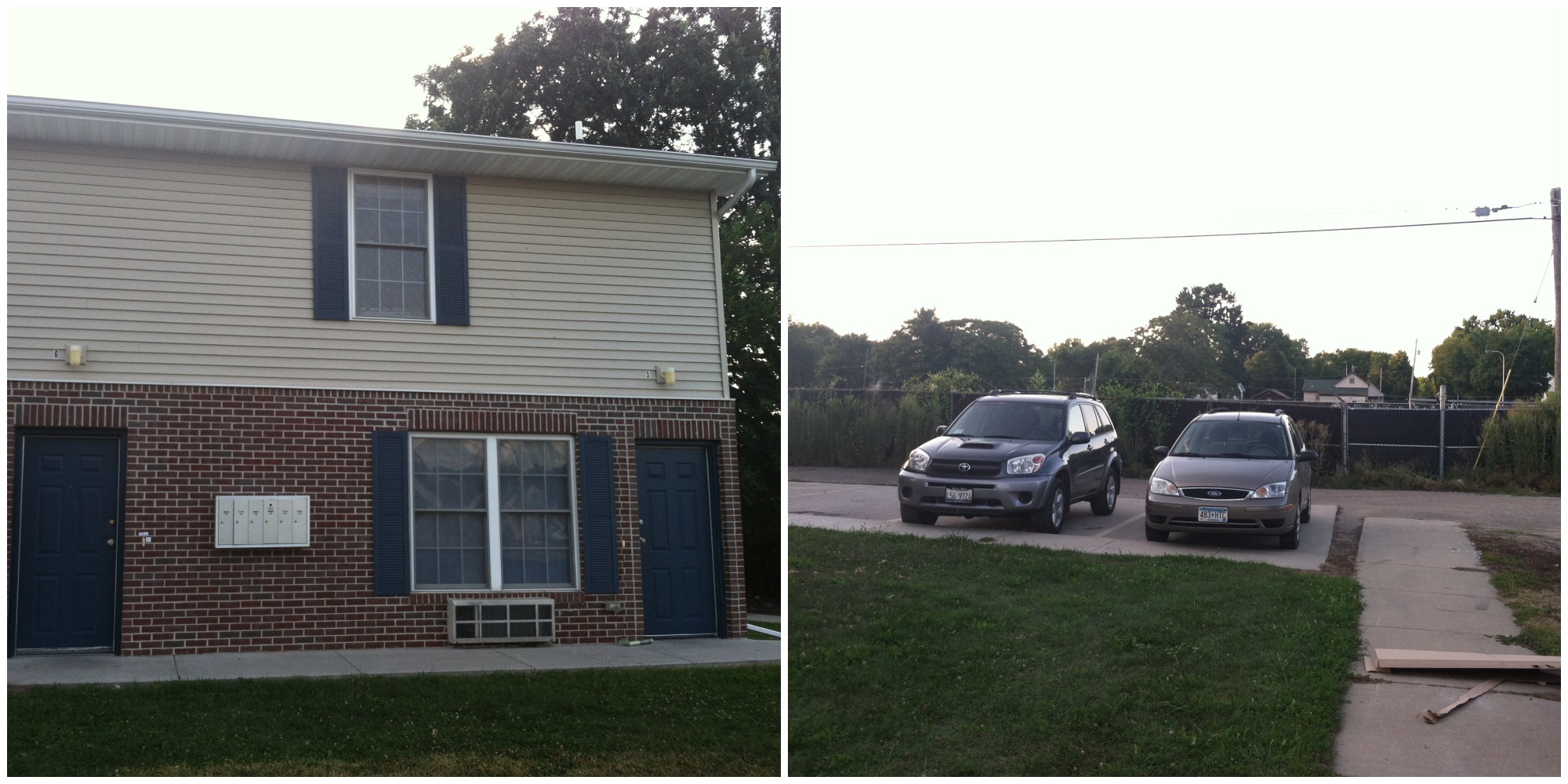
The awesome thing about the building is that there are just three apartments on bottom and three on top with our own private entrances. It’s a nice transition between living in a large apartment building with a front desk and hundreds of other tenants and living in a house on my own. Plus, it’s located just a block from one of the hospitals on campus and just a mile from the medical science and associated buildings where I’ll be spending lots of my time.

Cribs 2

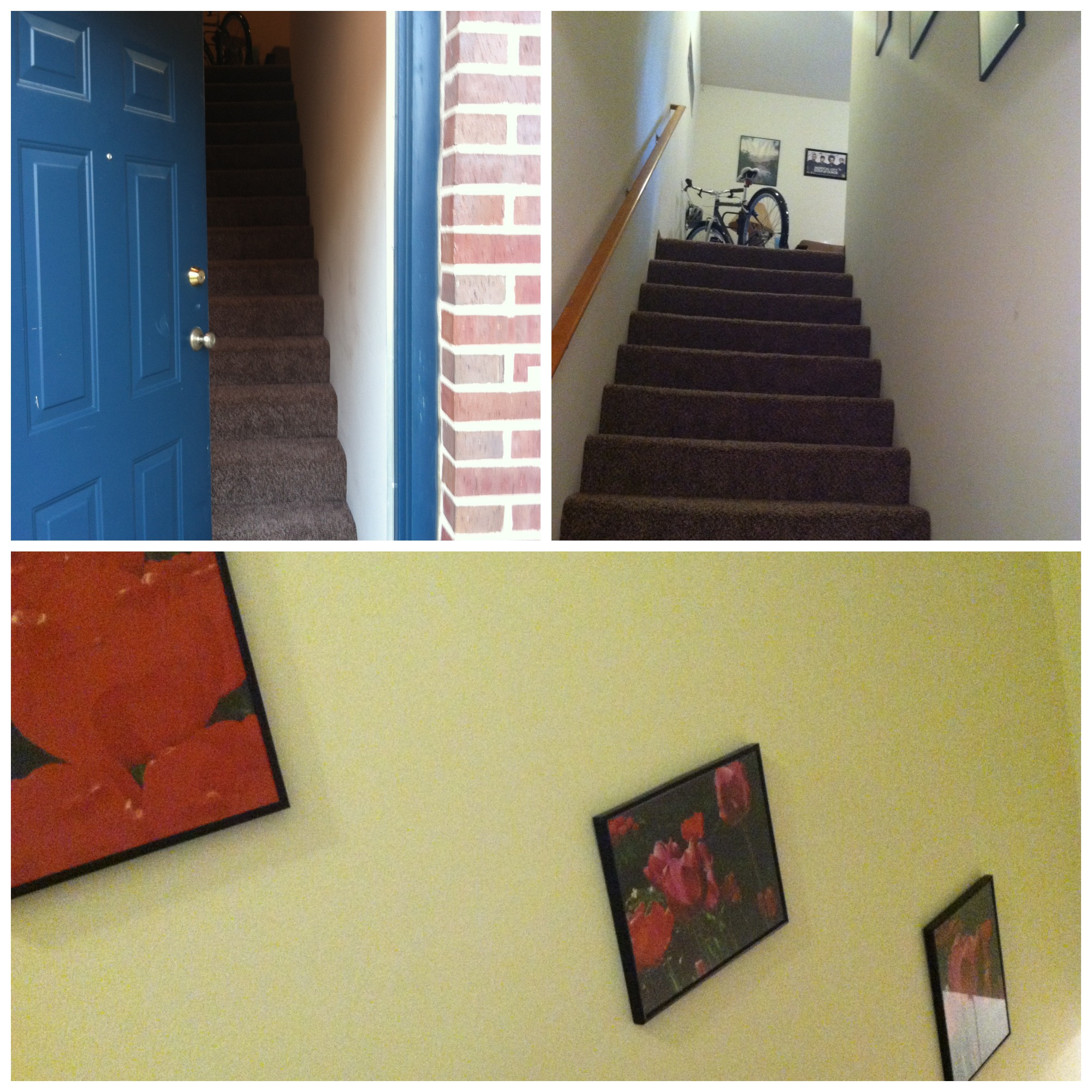
Well, let’s enter the apartment. Right away, you meet a staircase leading up to my living room. You can see my flower pictures hung along the stairs and my bike at the top. It’s a pretty fun ordeal to get the bike down the stairs, but even more to hold it up a few stairs while trying to open the door. I’m sure I’ll get better at it in time.

Cribs 4

Now here’s the living room. It has a vaulted ceiling with fan and light in the center. Since I’ve spent the past four years in Minneapolis, I’ve grown accustomed to having a skyline. Unfortunately that is something that Chambana is lacking, so if you notice above the bike, there is a puzzle picture of the New York skyline as my replacement. I also have brought nearly all of the text books that I own as well as many other books to fill my bookshelves. While I have maybe read half of them, they still make me look smart, which is clearly the most important thing. Also, being the mature adult that I am, my pictures mostly require picture frames, but that hasn’t stopped me from letting my obnoxious Minnesotan self be fully expressed on my walls. As my mother says, I will likely make enemies of Illinois fans if I ever have people over. I also have a swell view of some random house’s back yard through my window. Luckily they haven’t been annoying… yet.

Cribs 5

The living room transitions into the kitchen with a big peninsula, which is perfect for spreading out all of my study materials and is a good replacement for a desk. This is a very important area of the apartment since my paddle from marching band and my coffee maker are both located here. I even have a shelving unit dedicated to coffee-related items just below the peninsula. Oh and I have a pantry, which is pretty dang awesome!

Cribs 6

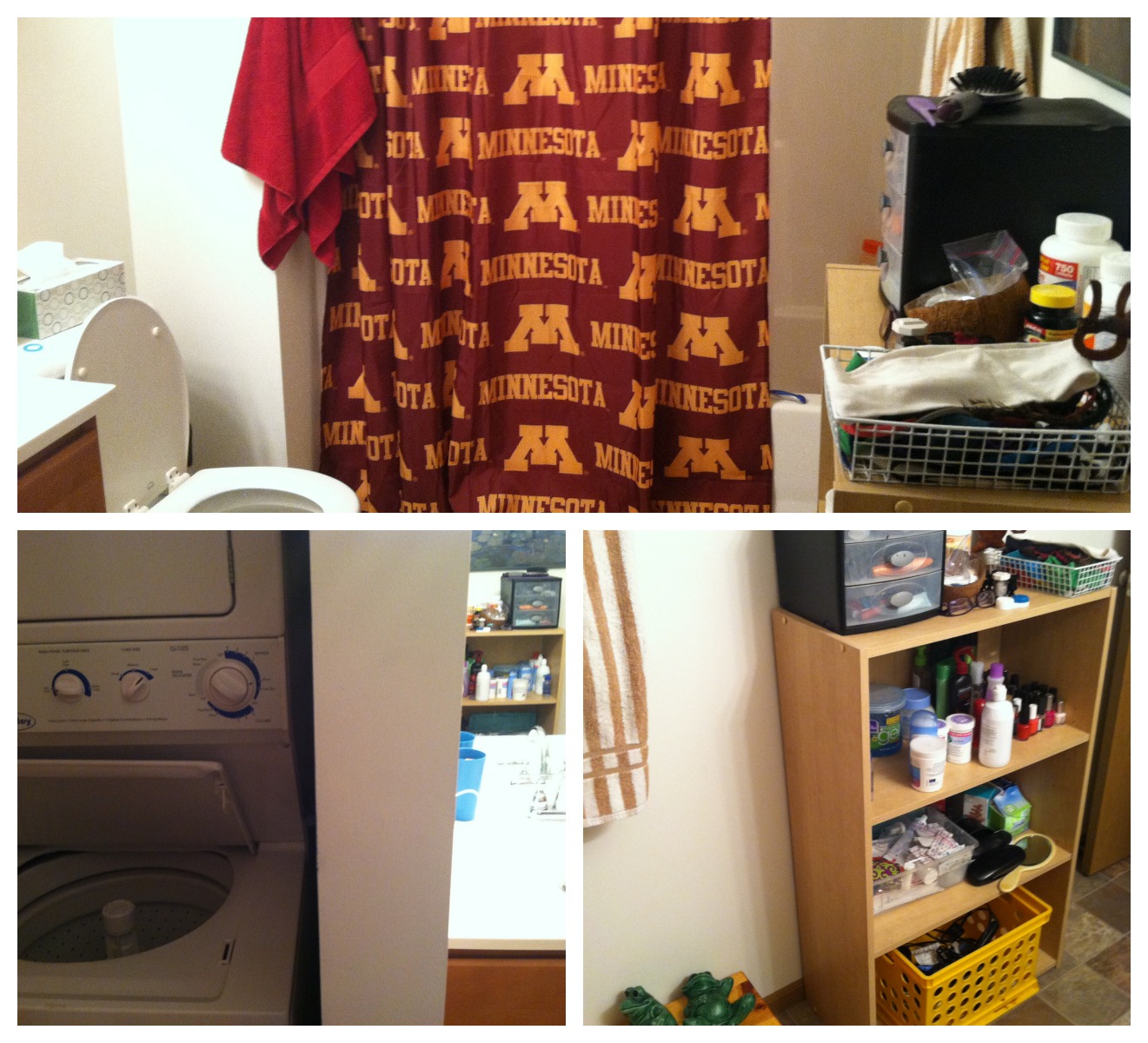
Every girl, even if they intend to spend most of their time in a lab, needs a quality bathroom area. While I was concerned about the lack of counter- and cabinet-space when I moved in, I made up for it with my super awesome shelf. Most importantly, there is a closet with a washer and dryer. Yes that’s right, a WASHER AND DRYER! As someone who has had to pay for laundry the past three years this is one of the glorious things about the whole apartment.

Cribs 7

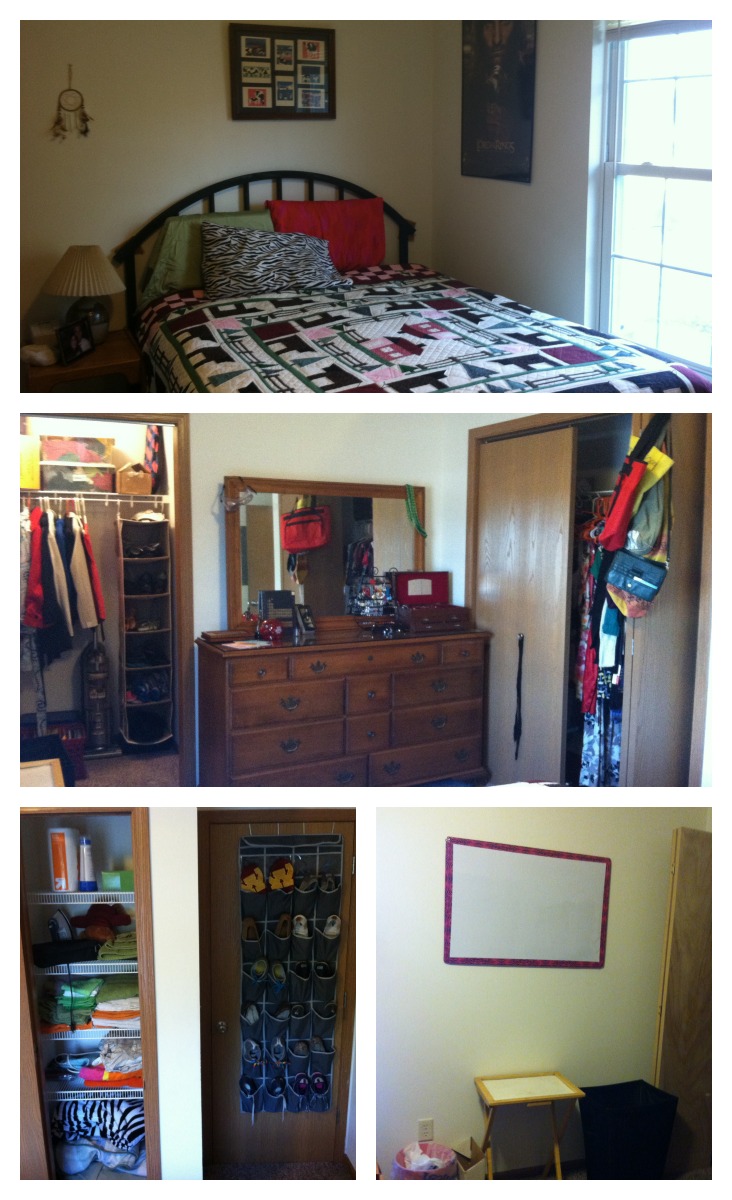
And finally, the most important room, the room with all of my clothes and where I may be able to catch a few hours of the ever-so-elusive sleep every now and then, my bedroom. I nearly had a freak out when I saw all of the closets in this place. It was so messy when I toured it in May that I didn’t realize that there wasn’t just one closet in the back corner, but that there was another wide closet along the wall and a linen closet, which is SUPER MEGA AWESOME!!! I no longer have to climb to get into bed as I’ve had a loft/top bunk for the past four years and even better yet it’s a queen size bed! I don’t even know what to do with all of that space! In case you were curious, the super cool cow quilt was made by my grandmother so it is a highly sentimental piece rather than just there because I really like cows or something. And of course I must have an Aragorn poster near my bed as I have for… pretty much ever. Now that he’s framed, he shall be with me forever… Okay, ending the Lord of the Rings weirdness, I also put up a white board in the room for studying in case it would help me to write things out. I wasn’t going to put it on the wall, but then I figured having to stand to use it would help me stay awake and focused. 

Well that’s the place! I think it is set up pretty well to help me be a super productive student! After living in dorms and apartments that are just a step up from that for the past four years, I am so fortunate to have my own furniture again and my own space. Surely it would be much more sparse had I not received much of this from my grandparents and I am blessed to have such caring relatives. I am looking forward to spending at least the next year in this apartment and getting the rest of my life settled here in Chambana!


Featured image: Instagram | Hanna Erickson (@MDPhDToBe)

Making the move

This past weekend, I loaded up all of my stuff into a car, truck, and trailer back home in Minnesota and moved it all into my new apartment in Champaign, Illinois, just blocks from campus where I’ll be starting school in just a couple weeks!

I had been working to pack up my things since the beginning of the summer, slowly taking over my parents’ basement as I brought things home from my grandparents’ house and my apartment at school. I was fortunate to be able to get so many things handed down from my grandparents that I didn’t have to buy much for the apartment.

On Friday night, my brother borrowed his mother-in-law’s truck and we picked up a UHaul trailer. It was a much longer process than necessary because it wasn’t at an actual UHaul store and the guy didn’t know how to check out the trailer. Nonetheless, we finally got it an brought it to my parents’ house where I had brought all of my boxes and furniture out to the garage. With the help of my brother, his friend, his wife, my father, and my mother, we had all of my stuff loaded in less than an hour!

Later that night, I picked up my boyfriend, Tim, and brought him back to my parents’ house so that we could get up and leave early the next morning. We got up at 6, went to McDonalds to pick up breakfast for the traveling group, and returned to find that my brother had arrived. My brother drove the truck with trailer and my mom rode with him while Tim rode with me in my car.

A little over eight hours and a few stops later, we arrived at the realtor where I needed to pick up my keys in Champaign, Illinois. While my mom had been pestering me to call and make sure that I could pick up my keys when I got there, I never got around to it, and we faced locked doors to the realtor office. This was bad news since my brother and mother had to leave the next morning to head back home. I frantically called the emergency number for the company and as I was talking to someone the owner opened the door and gave us the key. It was a close scare that will surely never happen again!

We quickly got everything into the apartment from the trailer so that my brother and I could return it. We then went to find the nearest liquor store since beer is an essential part of unpacking, naturally. I was happy to find that liquor stores are open on Sundays here, a nice change from Minnesota. We took a break to go eat and I found that there was many more shops in the area than I had seen when I came to look for apartments earlier this year, another nice find. By the end of the night, nearly everything was unpacked. Just a few boxes remained and pictures needed to be hung up, but that was pretty much it for work that needed to be done!

The next morning, my brother and mom got up at 6 to head back to Minnesota. It was hard to say goodbye, but as my mom had to tell herself, it was as if I lived on the other side of Minneapolis and was just too busy to see them. Surely, the time until I’m home for Thanksgiving will fly by.

Tim stayed with me and we shopped for the few remaining things I needed for the apartment and drove around to explore the city. We went to the mall and I bought my first actual Illinois clothing! The only other shirt I’ve owned is a hate shirt that simply says, “Illinois, do you even have a mascot?” Not that much hate, but a hate shirt nonetheless (they don’t have a mascot anymore because it was an Indian and the NCAA found it inappropriate). We went to the movie theater near the town that night. Although it’s only been a couple days, I already felt like I knew my way around.

The next day I had my first meeting with my graduate department to sign my stipend agreement. Unfortunately it hadn’t been sent to the department yet but I did get my picture taken for the graduate school records! Later in the afternoon, I met with the professor that I’m most interested in having as a thesis advisor. His lab is a large chemistry lab focused on development of small molecules as anticancer drugs. I got some papers from him to read and I’ll let him know in a couple days if I for sure want to rotate with him. Now, I just need to line up 5 more professors as potential thesis advisors that a committee will choose from to pick my 3 rotation labs.

The rest of Monday and Tuesday, Tim and I just enjoyed spending time together. He had been waiting for the package with my Xfinity internet starter kit on Monday while I was out but we apparently missed it because my doorbell doesn’t work and surely the delivery man tried that and with no answer just left a note. After some struggle with an unfriendly UPS employee at the customer service center, we got the package via will call. Unfortunately it didn’t have a modem, so we still had to find a Comcast customer service center to get that Tuesday morning. We later walked around campus so he and I could get a better feel of the place and get out of the apartment a little bit. I dropped him off at the airport later in the afternoon and finally had to say goodbye. It was rough, but we’ll see each other later in September in Madison, so at least we have something kind of soon to look forward to!

Now I’m all alone here in Chambana, but I have plenty to do to keep me occupied. I need to contact more professors and hopefully meet with them. I need to get my I-Card, my student ID. I need to get other things set up like car insurance and car registration. And grad school orientation starts this Friday! Looking forward to what’s to come!


Featured image: Hanna Erickson

Farewell to Fairview

My relationship with the University of Minnesota Medical Center Fairview began at the moment of my birth, for I was brought into this world on the 4th floor of the West Building of Fairview Riverside Hospital. Later, when I volunteered at the hospital, I’d hear “Twinkle Twinkle Little Star” playing over the PA system to announce a birth, and I would imagine what it was like the time it signified mine.

Image
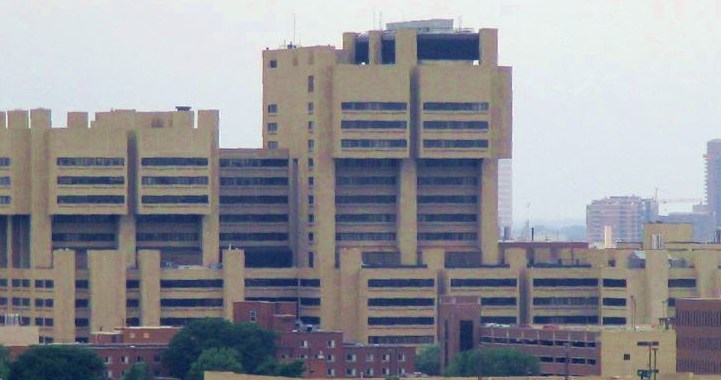
The University of Minnesota Medical Center Fairview – Riverside campus. This hospital is located on the west bank of the Mississippi River while the University campus is directly across the river.

I grew up visiting my father at the University of Minnesota Medical Center Fairview where he was an electric technician in the radiation oncology department. He would show me around the department, introduce me to doctors and nurses, and sometimes even show me how the machines worked. Most notably, these days were Take Your Child To Work Days. It was my first experience with the college and hospital atmosphere.

When I was fifteen, I started as a junior volunteer at the medical center. It was my first job of sorts. Not only did I volunteer in the gift shop and day care, I also went to educational events throughout the hospital to learn more about various careers in the health field. My knowledge of the hospital expanded greatly during this time as I began to learn my way around the University and Riverside campuses on both sides of the Mississippi River. Of course I still got lost every now and then especially thanks to construction and sometimes felt unsafe, but I can laugh about it today. For example, I was scared to go just a few blocks down the street to turn in some paperwork for my father because I was in the “big city”. I made it a block or two and turned around and went back. Don’t worry, this fear did not last long. Slowly, but surely, the hospital became my comfort zone.

I continued as a junior volunteer throughout high school, expanding to volunteer in another gift shop, as a patient escort, and in a nutrition office organizing information. Volunteering here became a routine part of my summer. One day a week, I’d ride in to campus with my dad, go do my own thing all day, and meet up with him at the end for a ride in rush hour traffic back home.

Image
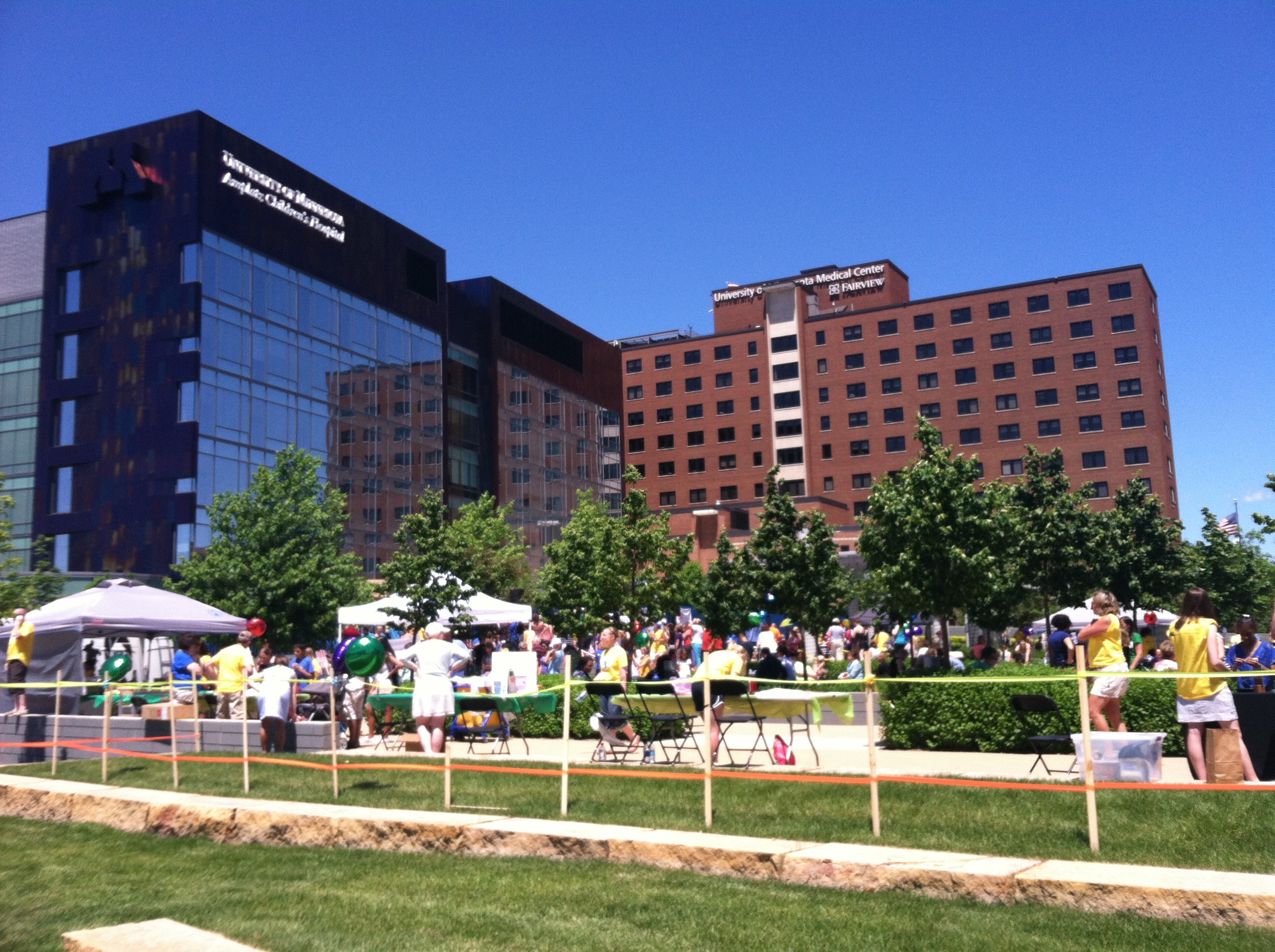
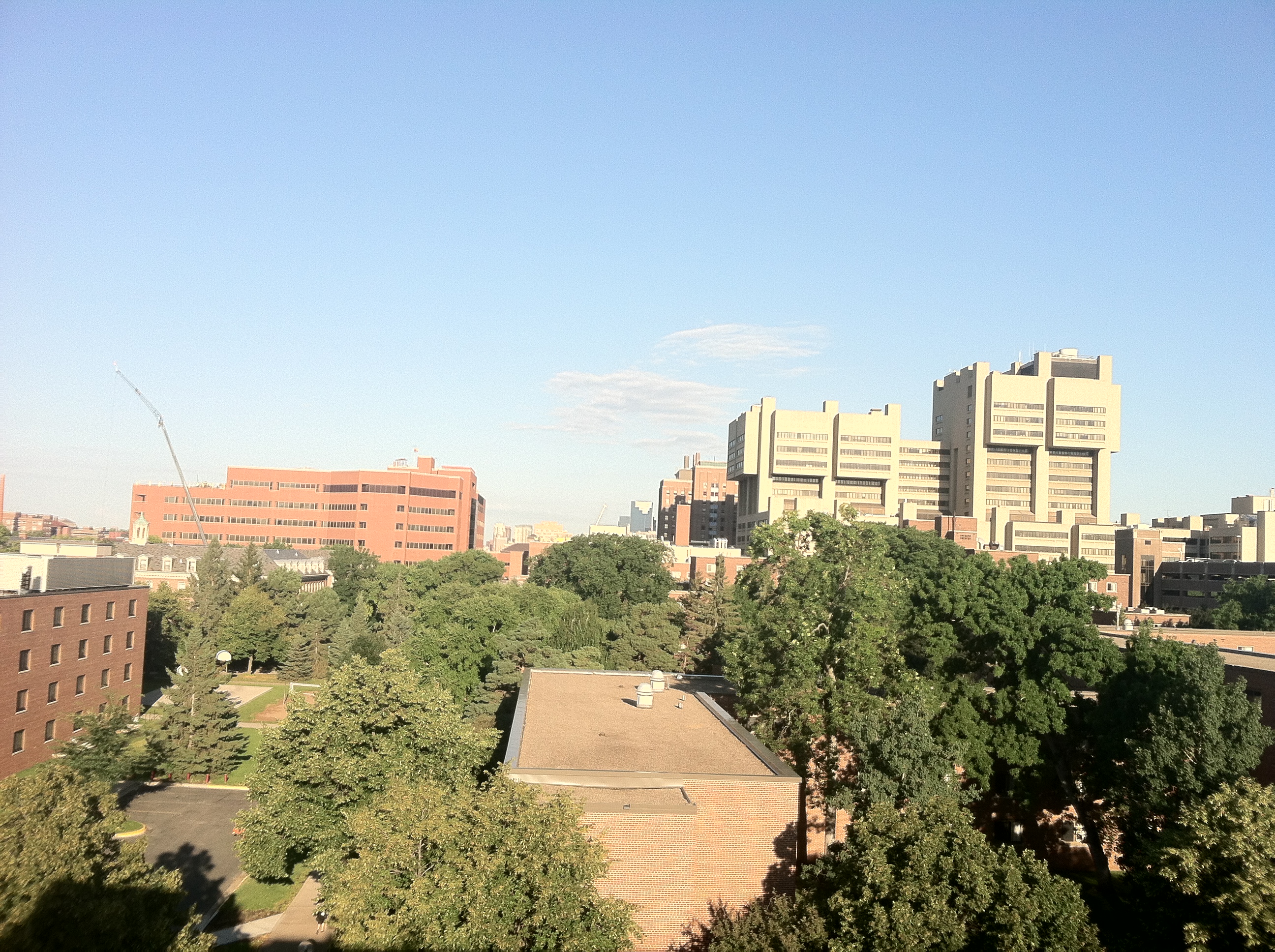
The University of Minnesota Medical Center Fairview – University campus. The main hospital building is on the left, other medical center buildings are on the right, and my freshman dorm is in the foreground.

I then chose the University of Minnesota for college and lived within walking distance of the hospital for the past four years. In fact, my freshman dorm was just a block away from the hospital and it was one of the dorms that my father walked past to get between his parking ramp and the hospital. Every day I went to class, I walked by the hospital; I’d see medical students, doctors, dental students, nurses, all sorts of medical professionals outside. I even learned my way around campus in relation to the hospital because it was what I knew best.

In the beginning of my junior year of college, I scored a position in a research lab in the cancer research center building at the back of the hospital. Seriously if you went down 7 floors from my lab and walked down the hallway, you’d reach my father’s office. For the past two years, I have had the fortune to spend my time in this lab until just a few weeks ago when we moved to our new building. Nonetheless, this is my last week working in that lab. Working here really made the hospital the center of my life. I would spend every bit of free time during the day here even if I just had an hour between classes, and with our lab spaces spread throughout the medical center I crossed the medical campus frequently.

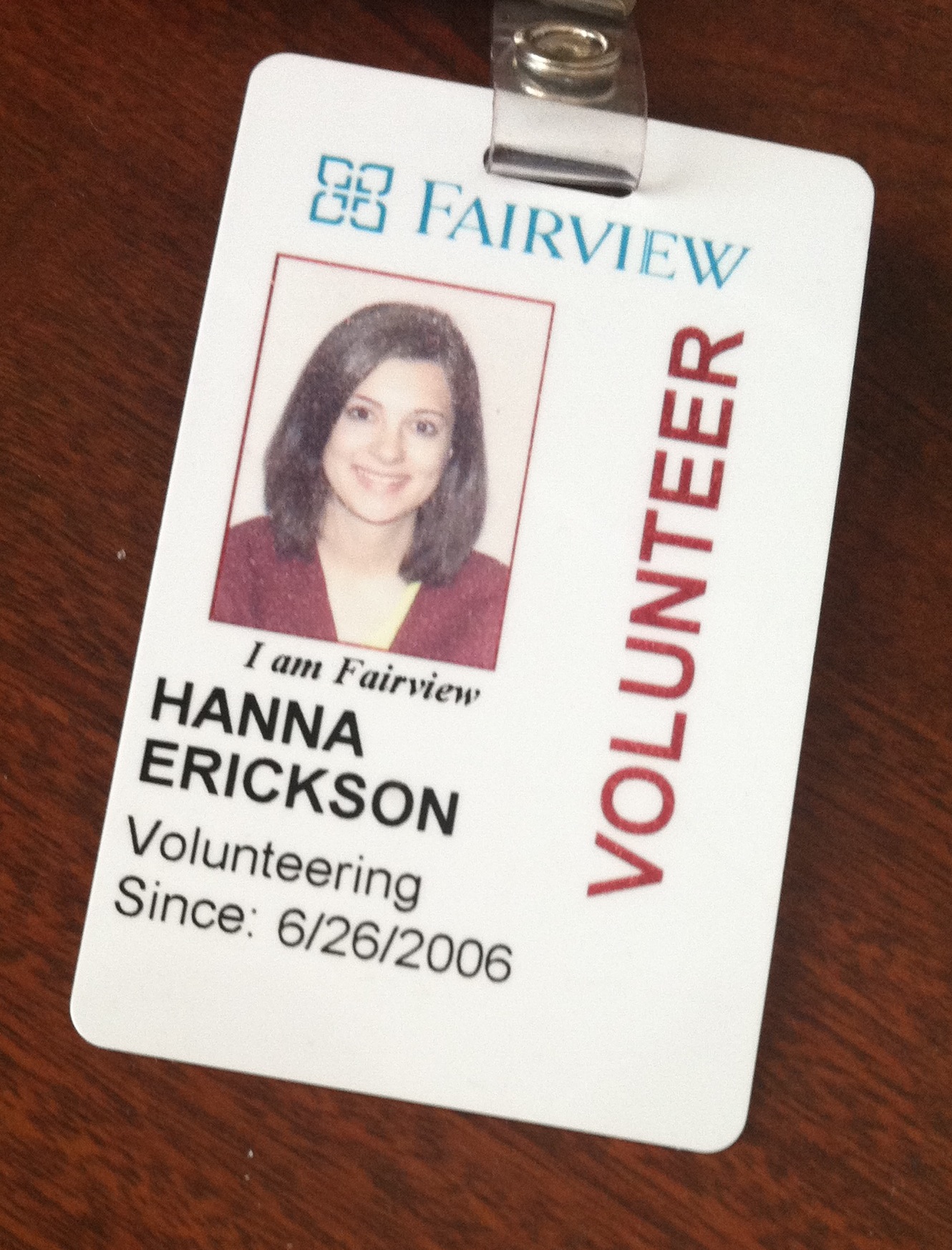
The volunteer badge from my freshman year of college. I "lost" my first one from my freshman year of high school because, well, I didn't want my picture to be of my 15-year-old self anymore.
The volunteer badge from my freshman year of college. I “lost” my first one from my freshman year of high school because, well, I didn’t want my picture to be of my 15-year-old self anymore.

Volunteering at the hospital continued to be a routine for me. The summer after my freshman year, I volunteered in a nursing unit and since May 2012, I have volunteered in the infusion suite of the cancer center. And now, after seven years as a volunteer earning over 550 volunteer hours, I am retiring my badge and my title as a volunteer. I have had amazing experiences at this hospital taking classes, giving back, and doing research. I’ve been able to dress up like Cinderella and visit sick kids in the brand new Amplatz Children’s Hospital. I’ve helped improve volunteering in the infusion suite by training new volunteers and writing a guide for volunteers. I’ve received a scholarship for college as a junior volunteer. I’ve learned a lot and changed my career goals many times and after learning more, I’ve further defined these goals. It is here where I really determined the course of my future.

It is now time to say goodbye to this hospital I know so well. Sure, it may be pretty weird to lament leaving some buildings and an organization, but within it lies hundreds of relationships and memories be them brief or enduring. As my grandfather told me the other day, “We move in, move up, move out, and most importantly, move on.” With a move to Illinois and starting med school and grad school in just a few weeks, it is time to move on.

Farewell, Fairview.


Featured image: Hanna Erickson

My next eight years

The closer I get to starting the next phase of my education, the more I am bombarded with questions about it. Usually when I’m asked what I’m doing for school, I will say either graduate school or medical school because it seems too overwhelming for people to even hear about such a program and it is just easier to say one or the other. Of course, if the conversation progresses to further into my future, I will have to reveal that I will be pursuing both MD and PhD degrees but the conversation does not always get that far. Nonetheless, I wish to set the story straight by answering some frequently asked questions so that those considering the medical field know what its like in an MD/PhD program and so that my friends and family will have a better idea of what exactly I’ve gotten myself into.

— 

Where are you going to school?

Image

I will be going to the University of Illinois at Urbana-Champaign. The school is about 3 hours south of Chicago in an area of approximately 120,000 residents between the two cities of Urbana and Champaign. Some refer to the cities as “twin cities” but coming from the true twin cities area of St. Paul and Minneapolis, I don’t think I will ever be able to refer to them by that name. The school has around 40,000 students, which makes it similar in size to my alma mater of the University of Minnesota, and so I’m hoping it will feel a little bit like home.

 —

How long are you going to be in school?

The MD/PhD program is about 8 years long. This may seem like a long time, but actually it is shorter than if you were to get your MD and PhD separately. Medical school is four years and graduate school for a PhD usually takes five years, so this puts me a year ahead.

 —

How is the program structured?

Most schools with an MD/PhD program have a 2-4-2 structure. With this structure, you begin with 2 years of medical school during which you can also complete your lab rotations for graduate school as well as some graduate school courses. After your second year of medical school, you work strictly on your graduate schoolwork for the next four years. After receiving your PhD, you return to medical school for the last two years. Those schools funded by the Medical Scientist Training Program, a grant offered by the National Institutes of Health, are more regulated by this grant and follow this structure as well as some other MD/PhD programs.

Illinois at Urbana-Champaign, on the other hand, is not funded by the grant and so has the freedom to place more emphasis on the graduate work, leaving as much time as necessary to complete the PhD. You begin the program in the graduate school phase during which you take your first year medical school courses spread out over the 5 or so years it takes to complete the degree. Therefore, you essentially act as a regular graduate student for the first 5 years with some extra work. After receiving your PhD, you then complete the last 3 years of medical school. The MD/PhD program at the University of Illinois at Urbana-Champaign is more specifically called the Medical Scholars Program, MSP for short.

 —

How much does it cost?

The program actually PAYS YOU to be in school. The school covers tuition and you additionally get a stipend for living expenses. During the graduate school years, it is the stipend any graduate student would get, but during the medical school years, it is about half that amount. You do have to pay some student fees but that’s pretty much it.

 —

What are you getting your PhD in?

I am in the school of molecular and cellular biology graduate program, which is an umbrella program in that it contains more specific sub-plans that I will have to choose between. Based on which lab I choose as my thesis lab, I will be in the biochemistry, cellular and developmental biology, microbiology, or molecular and integrative physiology department. Most of the labs that I am interested in are in the biochemistry department, but we’ll just see how rotations work out.

 —

What are lab rotations?

Every graduate student will end up picking a research lab to spend the majority of their time in school to do research that they will write about in their thesis. To help decide which lab to pick, each student must do short stints in labs of their choosing (with the professor’s approval). At Illinois, our rotations are 5 weeks long and we will do 3 of them during fall semester of our first year. At the end of the semester we will then pick our thesis lab.

 —

How big is your class size?

In the Medical Scholars Program (MD/PhD) there are 10 in my incoming class. For the school of molecular and cellular biology graduate program, there are approximately 40 in my incoming class. The M1 class in medical school has about 125 students, 25 of which will remain at the Urbana-Champaign campus for M2-4 (this includes the MSP students), 50 will go to the Rockford campus for M2-4, and 50 will go to the Peoria campus for M2-4.

 —

What comes after all of this?

Following receiving my MD and PhD, I plan on doing residency for internal medicine followed by a fellowship for an oncology specialty, which are both 3 years in length. Eventually, I hope to become an academic oncologist so that I can lead a basic research lab focused on the design of anticancer therapies, teach courses related to such a subject, and treat patients with cancer. Having both degrees and being involved in both a clinical and basic research setting will hopefully help me bring basic ideas to clinical applications faster.

How did you get in?

I prepared for applying to such a program by taking a broad range of science courses with an emphasis in chemistry (as it was my major) and maintaining a 3.6 GPA. I additionally was quite involved in school by joining extracurriculars, holding leadership positions, and volunteering at a hospital. As research is the focus of such a program, I started working in research labs at the end of my freshman year of college so that I had over 2 years of experience as well as undergraduate research funding and a research fellowship before applying.

I took the GRE, chemistry GRE, and MCAT in the spring/summer of my junior year of college though the MCAT was the only required test – I had previously been planning on just grad school hence why I had taken the two GRE tests. For my application, I had to write three personal statements to explain why I wanted to pursue MD, MD/PhD, and research (check them out here, here, and here, respectively). I additionally wrote about the activities that I have been involved in and what three were most important to me – volunteering at a hospital for 6+ years, being a member and leader in a marching band, and doing research in a medicinal chemistry/carcinogenesis lab.

Following this general first application that was sent to 15 schools, I then received secondary applications from those schools with more specific questions. After spending nearly $1300 in application fees, I was done with applications and the rejections started rolling in (as kind of expected when applying to places like Harvard, Yale, and UCSF). Nonetheless, in middle January I was invited to an interview weekend at the University of Illinois at Urbana-Champaign. They paid for my flights (including a first class flight from Minneapolis to Chicago), three nights in a hotel, and meals.

For the interview weekend, I had a 15-20 minute panel interview with the director and assistant director of the MSP, a doctor from the local hospital where we do our clinical work, and a professor in the school of molecular and cellular biology. The next day, I had four 30-minute talks with four professors in the school whose research I was interested in. The rest of the weekend was to get us familiar with the school and convince us to go there. It included dinner with faculty and students, a poster session, a fun activity (I went bowling), and a final outing to a local bar.

If we were interviewed for the MSP, we could be accepted to the graduate school or medical school individually if we did not get in to the full program, and a full acceptance required acceptances from these three areas. A couple weeks after the interview weekend, I received an e-mail notifying me of my acceptance to the graduate program. Two days after that, I was notified that I was accepted to the MSP pending anticipated acceptance by the college of medicine at the University of Illinois Chicago campus. A week after my MSP acceptance, I received a phone call from the MSP notifying me that I had been accepted to the medical school and I was in! For the MSP, there were around 100 applicants and 30 or so of us were invited to interview. They aimed for a class size of 15, which ended up being 10 of us.

Why the heck are you doing all of this?!

Since I was a young teenager, I have wanted to do medicine, pharmacy, and research at various times, one leading to the next. I knew I wanted to work toward bettering human health, but I kept an open mind and sought to find where I was best stimulated and where I could make the biggest difference. I first became actively interested in medicine in early high school, but switched to pharmacy after learning about the profession. In the beginning of college, when I first became exposed to research as a career, I determined that I could combine research with my interest in pharmacy to devote my life to working to develop novel drugs.

Nonetheless, I continued to feel a draw toward medicine. I did my best to deny it as my father had been a large influence in my initial interest in the area and because I figured that I would have to choose between research and medicine. Even still, I felt incomplete like there was more that I wanted to do without sacrificing what I was already pursuing. Since I was not pre-med, I was not exposed to the opportunities available to those in the medical field and had no idea that combined MD/PhD programs existed.

Near the end of my junior year of college as I was about to take my GRE to prepare for graduate school, I was researching schools that I was interested in applying to and came across the combined program path.  It swept me off my feet. While I had felt pulled in different directions before toward research, medicine, and pharmacy, I now had a single career path and educational opportunity to allow me to do everything that I had hoped for myself and to make the biggest difference in the world.

If you would like to know more about the MSP, check out the following article: http://www.uiaa.org/illinois/news/blog/index.asp?id=100

Also, if you have any more questions, feel free to ask in the comments below or in a tweet to @MDPhDToBe. Or of course in person, on facebook, via text, however else you’d normally contact me if you’re one of the awesome people I know in real life. 🙂


Featured image: Instagram | Hanna Erickson (@MDPhDToBe)

Biographical sketch

I was raised in a suburb of Minneapolis, Minnesota by a father who is an imaging engineer in the radiation oncology department of the University of Minnesota Medical Center (UMMC) and a mother who stayed at home with me until I began elementary school when she became a self-employed house cleaner. They raised me to value knowledge and enhanced my early interest in science by buying me science kits and a microscope when I was nine, which helped solidify my life-long interest in the subject. In addition, my grandmother gave me her piano and began paying for my piano lessons when I was eight years old, sparking an interest in performing music that lasts until this day. I was fortunate to grow up with such a strong support system to encourage my love of learning, science, and music.

As a thirteen-year-old, I had become interested in becoming a doctor because of my parents’ praise of my scientific abilities and their belief that I would excel as a doctor. Following up on this desire, I joined the junior volunteer program at the UMMC in the summer after my freshman year of high school to gain a better understanding of medicine. Through this program, I learned of the motivation required of doctors, and I began to question my intentions to pursue such a career. I lacked confidence in my own desire because my parents had played such a large role in my experiences in medicine up to that point in my life; therefore, I made an important decision to explore other careers to find one that I was sincerely interested in investing my life’s work.

For the rest of high school, I was set on becoming a pharmacist and began preparing myself for such a career. I job shadowed a pharmacist in tenth grade who told me of the importance of chemistry for the job so I immediately signed up to take AP chemistry the following year. A combination of my interest in the course, encouragement from my teacher, its relevance to my career goals, and influence of my older brother who was majoring in chemistry cemented my decision to major in chemistry in college.

I began my freshman year at the University of Minnesota still wanting to become a pharmacist, but that did not last long. During this year, I was exposed to academic research and changed my career plans because I believed that I could impact a greater population by searching for novel information that could lead to improved treatment of disease. This caused my educational goals to shift to pursuing a Ph.D. in medicinal chemistry or pharmacology and my undergraduate education to focus on complimenting my chemistry major with biology and biochemistry minors to gain a thorough understanding of the science underlying human life and disease, which would prepare me for whatever health-related career I pursued.

Over the next two years, I continued to prepare myself for graduate school and a career in medical research by working in a genetic engineering lab for a year before taking a position in a medicinal chemistry and carcinogenesis lab in the cancer center. As an undergraduate research assistant in the cancer center, I was exposed to research ranging from basic chemistry and biology to translational application of such research. This helped me learn about cancer, how it affects a person’s body, and how it affects a person’s life. By understanding how my work was applicable toward human lives, I became much more interested in the human side of cancer and felt an urge to become a doctor but I was too attracted to research to give it up. As I was researching graduate programs in the spring of my junior year of college, I discovered the Medical Scientist Training Program that would allow me to pursue both my clinical and research aspirations to become a physician-scientist. Knowing that there is a realistic way to combine my career aspirations, I realized that I am driven not by an interest in research or clinical work individually but by a passion for doing everything that I can to contribute to curing cancer.

At the University of Minnesota, I feel that I have taken full advantage of the opportunities available at the university. In the marching band and pep bands in the past four years, I have learned valuable life skills regarding teamwork and motivation as I give back to the university that I love by being an enthusiastic ambassador for the school’s tradition and pride. Further, I devote my time and energy as a leader in the athletic bands organization to teach and inspire my fellow band members so that they can best share their love of this school with others as well. In addition, I did even more for this band and this school as the President of the university’s chapter of Tau Beta Sigma, a national honorary band sorority. A major part of my efforts in these roles is to inspire others to gain confidence in their own abilities and to use this confidence to push themselves to excel.

Beyond the scope of my leadership roles, my involvement has helped me gain a better understanding of my inspiration and the vision I hold for my future career as well as a greater confidence in my abilities. As an undergraduate research assistant, I have learned to be an independent researcher, gained experience with grant writing, and learned how to present my research both in oral and written formats. I also gained experience with teaching as a teaching assistant for an online biochemistry course. Most importantly, I remain involved in the intravenous infusion suite of the masonic cancer center so that I am able to have a direct impact on cancer patients each week; having such interactions inspires me to do everything that I can for these people. All in all, these activities have solidified my determination to become a physician scientist and I look forward to pursuing such a career path at the University of Illinois at Urbana-Champaign.


Featured image: Hanna Erickson